To the Earth's Edge for the Elixir of Health: How Local Communities Power Nornickel's Ethno-Projects
Nornickel Photobank
Ethnic tourism stands at the heart of Nornickel's sustainable development strategy, safeguarding the cultural heritage of the North's indigenous peoples. This approach energizes the regional economy, opens new jobs for locals, and showcases their unique traditions. Built on trust and enduring community partnerships, the company's initiatives deliver lasting impact.
So-called northern tourism—journeys to Russia's most stunning yet unforgiving landscapes—remains a niche sector. However, it is expanding rapidly in recent years, driven by the national "Environmental Well-being" initiative, which aims to boost tourism's share of GDP to 5% by 2030 source. Nornickel actively promotes ethno-tourism in its regions through organized visitor centers*—immersive sites styled after traditional northern settlements to welcome tourists. Guests to Taimyr can experience local communities up close: their daily lives, reindeer herding, and even restorative health practices rooted in the unique alternative medicine of northern peoples.
*Nornickel's Visitor Centers in Norilsk and Monchegorsk serve as dynamic information and tourism hubs. They promote the Arctic's wonders, advance industrial tourism, and foster ties with local communities. Visitors gain in-depth insights into the company's production processes, environmental initiatives, and the captivating attractions of Taimyr and the Kola Peninsula.
One standout example is the Tyakha Ethnic Visitor Center, which Nornickel supported in opening in Dudinka in 2023. This immersive complex introduces tourists to the traditional lifestyles and occupations of local peoples.
In Dudinka, visitors can explore authentic Nenets dwellings like the chum and balok.* They can try on national clothing, sip tea, snap photos, and hear firsthand stories of culture and daily life from native speakers and tradition bearers.
In Dudinka, visitors can explore authentic Nenets dwellings like the chum and balok.* They can try on national clothing, sip tea, snap photos, and hear firsthand stories of culture and daily life from native speakers and tradition bearers.
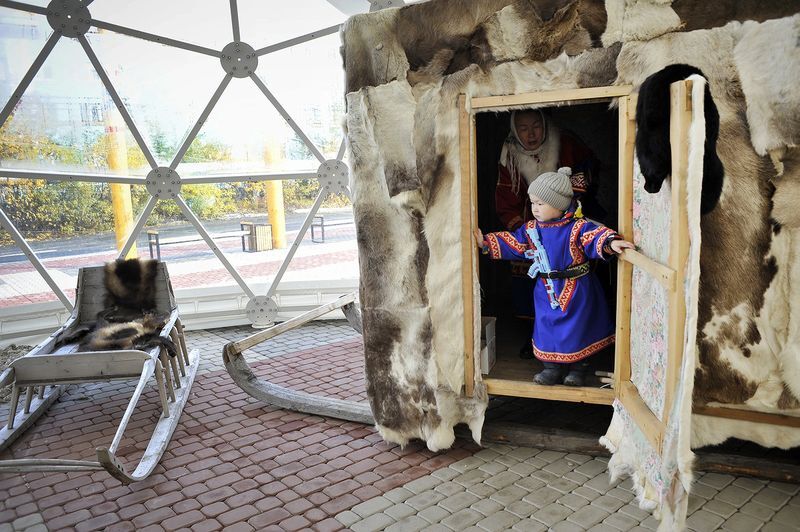
Tyakha Ethnic Visitor Center
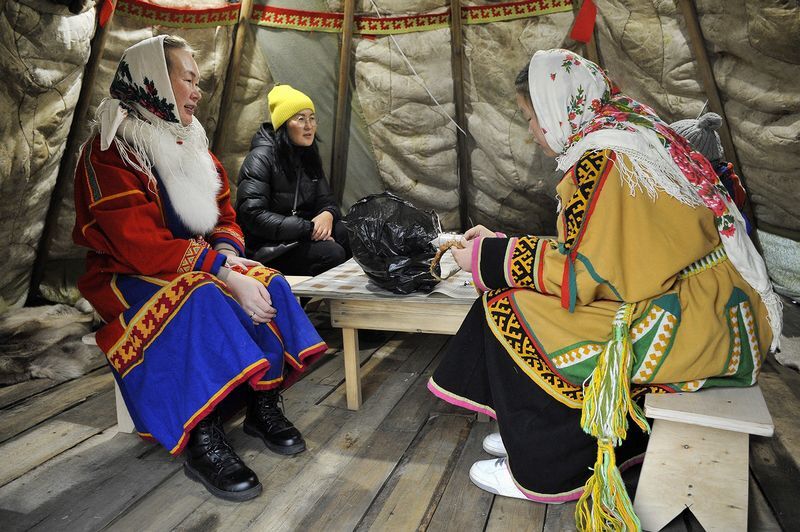
Tyakha Ethnic Visitor Center
*The balok is a traditional portable winter dwelling of the Nenets—a well-insulated cabin on skids, pulled across the tundra by reindeer or snowmobile. Unlike the open-frame chum, its sturdy structure offers superior thermal protection. Covered in reindeer hides, it serves as a mobile home for their nomadic lifestyle
For a deeper dive into local life, an ethno-camp opened 40 kilometers from Dudinka, home to nomadic reindeer herders. Guests can try lassoing reindeer themselves, master driving a reindeer sled, savor authentic reindeer meat, and watch hides transform into traditional clothing and footwear. Weekend tours from Norilsk bring residents right into the heart of it.
Tourists rave about this extraordinary spot, where you reconnect with pristine nature and the ancient ways of your ancestors—unchanged for hundreds, even thousands, of years. People travel thousands of kilometers for these unforgettable experiences. Though modern comforts like electricity, snowmobiles, and even the internet have eased the nomads' harsh existence, their primordial lifestyle endures.
Tourists rave about this extraordinary spot, where you reconnect with pristine nature and the ancient ways of your ancestors—unchanged for hundreds, even thousands, of years. People travel thousands of kilometers for these unforgettable experiences. Though modern comforts like electricity, snowmobiles, and even the internet have eased the nomads' harsh existence, their primordial lifestyle endures.
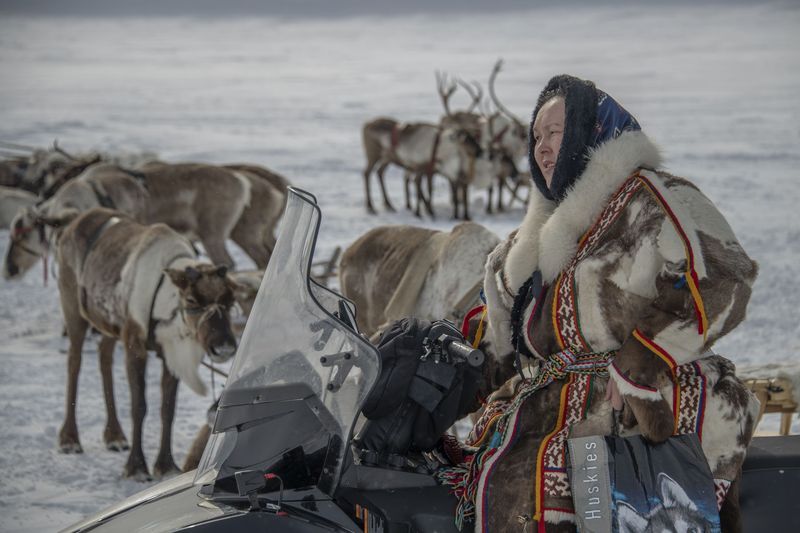
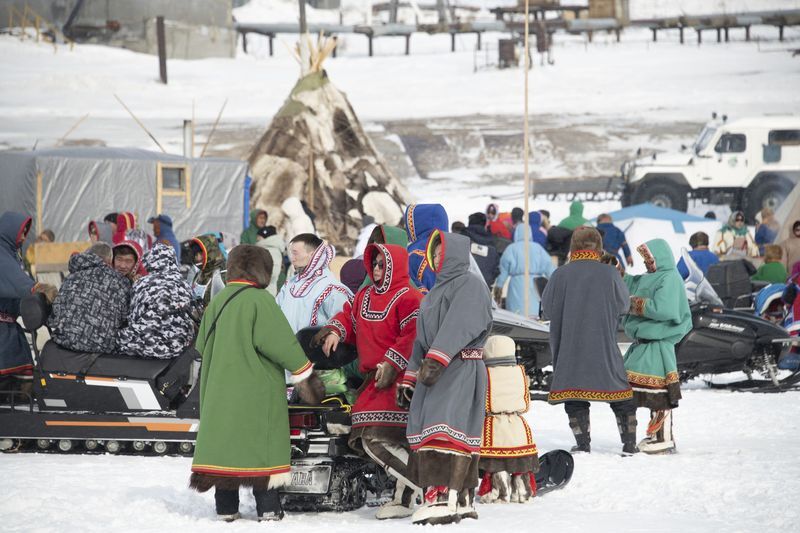
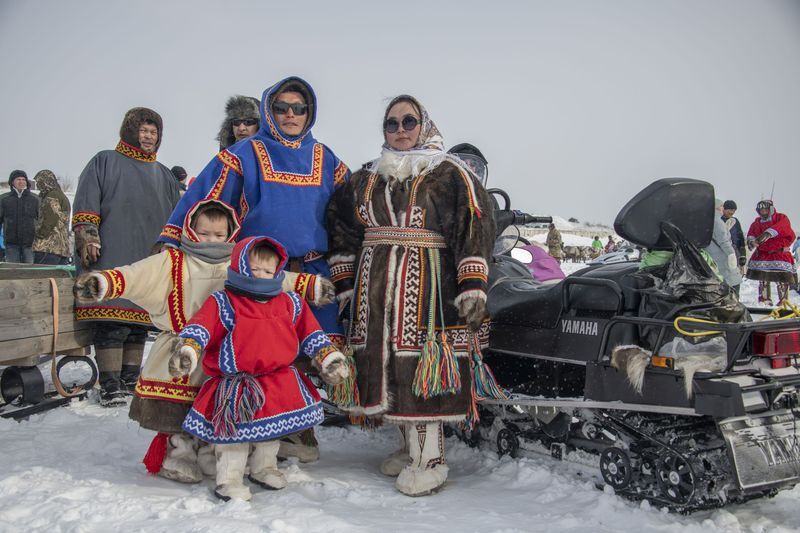
Visiting the ethno-camp prompts many tourists to rethink their life values. They witness how local peoples thrive on relentless labor and the willingness to trek dozens of kilometers for reindeer forage. Even while embracing modern technology's benefits, these communities fiercely safeguard their ancient traditions.
The key to ethno-tourism in the Far North lies in showcasing the region's unique beauty and the indigenous peoples' authentic lifestyles — via a respectful encounter that never disturbs their timeless routines. Succeeding in Far North ethno-tourism means revealing the land's singular beauty and the indigenous peoples' authentic lifestyles—via a respectful encounter that never disturbs their timeless routines.
Visitors are also drawn to our unique tourism offerings. For instance, the Tyakha Visitor Center features a Pantotherapy Center, where guests can experience an exclusive wellness treatment. Here, a decoction made from domestic reindeer antlers serves as a natural alternative therapy.
The key to ethno-tourism in the Far North lies in showcasing the region's unique beauty and the indigenous peoples' authentic lifestyles — via a respectful encounter that never disturbs their timeless routines. Succeeding in Far North ethno-tourism means revealing the land's singular beauty and the indigenous peoples' authentic lifestyles—via a respectful encounter that never disturbs their timeless routines.
Visitors are also drawn to our unique tourism offerings. For instance, the Tyakha Visitor Center features a Pantotherapy Center, where guests can experience an exclusive wellness treatment. Here, a decoction made from domestic reindeer antlers serves as a natural alternative therapy.
ANFISA NIKIFOROVA,
Head of the Department for Interaction with Indigenous Minorities of the North, Nornickel:
"Today, the Tyakha Pantotherapy Center stands as the world's northernmost facility using domestic reindeer antlers in spa treatments. On the Taimyr Peninsula, around 120,000 reindeer roam freely, grazing across vast landscapes. In spring, their antlers grow rapidly. During the pre-hormonal phase, they concentrate peak levels of minerals and trace elements. These young, velvet-covered antlers are then carefully harvested and processed into potent biologically active supplements. We indigenous peoples have long harnessed reindeer antlers to safeguard our health—consuming them raw, brewing pantocrine (a natural tonic derived from antler extracts) to strengthen immunity, roasting them over open fires, or slicing them for direct use. In the Far North's unforgiving climate, where winter and polar night stretch nine months long, this time-honored wellness practice thrives among locals. It's no wonder northern peoples are renowned for their remarkable strength and resilience. Region guests can experience this ancient method firsthand at the Pantotherapy Center."
Importantly, antler harvesting is entirely safe for the reindeer—this is the only organ capable of constant regeneration. Advanced processing techniques preserve the young antlers' healing properties for extended periods. The resulting extracts power applications in both medicine and cosmetology, including the renowned therapeutic antler baths offered right at the Tyakha Pantotherapy Center.
Local communities play a vital role, earning supplemental income through the process. In spring, reindeer herders harvest the antlers and deliver them to Dudinka, where they're stored frozen and processed into decoctions year-round.
Local communities play a vital role, earning supplemental income through the process. In spring, reindeer herders harvest the antlers and deliver them to Dudinka, where they're stored frozen and processed into decoctions year-round.
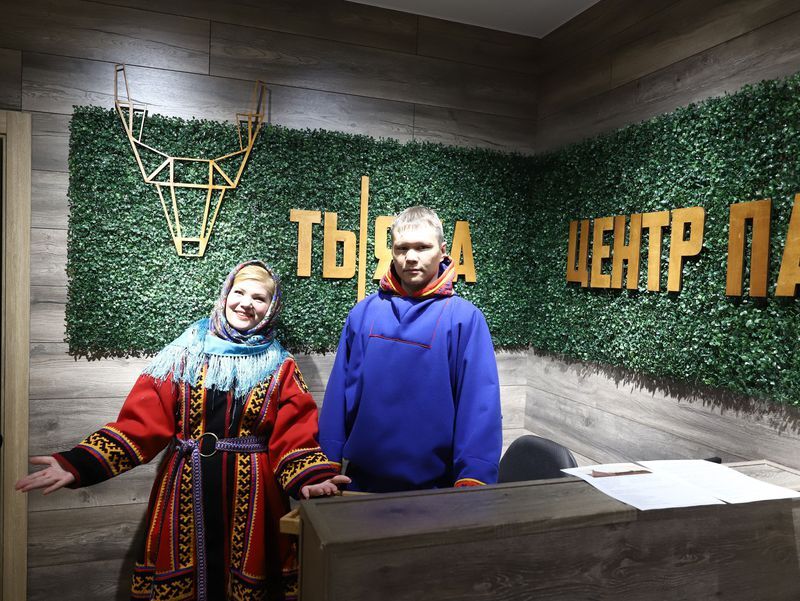
The Tyakha Pantotherapy Center—named "Reindeer River"—delivers rejuvenating antler baths, phytotherapy barrel treatments crafted from Taimyr's wild herbs, and soothing infrared sauna sessions.
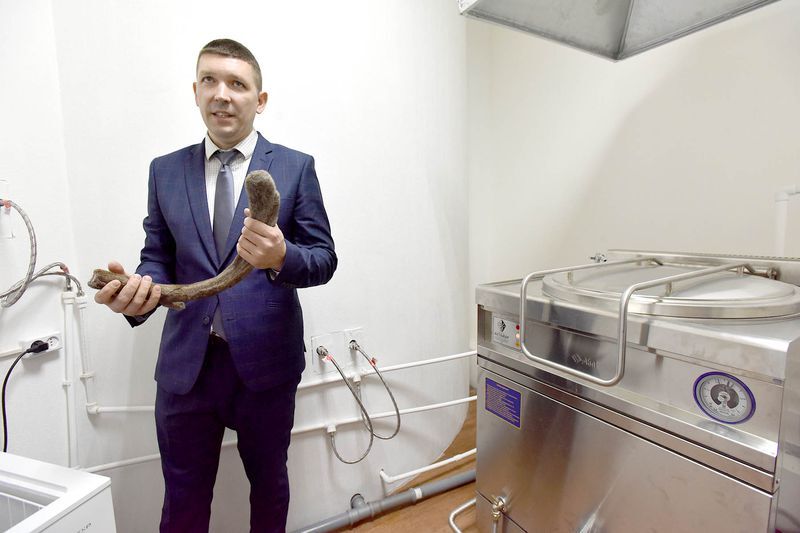
The Tyakha Pantotherapy Center—named "Reindeer River"—delivers rejuvenating antler baths, phytotherapy barrel treatments crafted from Taimyr's wild herbs, and soothing infrared sauna sessions.
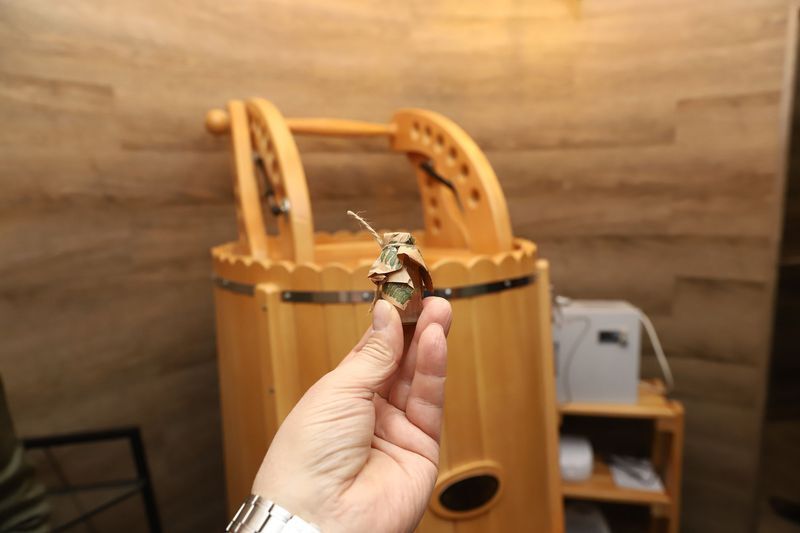
The Tyakha Pantotherapy Center—named "Reindeer River"—delivers rejuvenating antler baths, phytotherapy barrel treatments crafted from Taimyr's wild herbs, and soothing infrared sauna sessions.
State-of-the-art equipment, acquired and installed with Nornickel's support, ensures the perfect preparation of antler baths. The center upholds rigorous standards for raw materials, using only premium first-grade antlers—the freshest ones just beginning to grow.
Anfisa Nikiforova notes that ethno-tourism development sparks growth in related sectors, like national crafts and cuisine. It also inspires other reindeer herding operations to embrace tourism's benefits and participate actively. In turn, this elevates the region's tourism potential far beyond its borders.
Anfisa Nikiforova notes that ethno-tourism development sparks growth in related sectors, like national crafts and cuisine. It also inspires other reindeer herding operations to embrace tourism's benefits and participate actively. In turn, this elevates the region's tourism potential far beyond its borders.
Anfisa Nikiforova:
"Throughout the year, we host numerous socially impactful events to support indigenous peoples—it's all interconnected. Our fellow countrymen engage not just at the municipal level, but also regionally and federally. We actively participate in diverse gatherings, returning with fresh ideas to share. We're always eager to discuss initiatives that spotlight our region, especially with the company's steadfast support. For instance, we organized the "Treasures of the North" exhibition and fair of indigenous crafts in Moscow. This year, a similar exhibition will debut in Krasnoyarsk in August, where all our regions showcase their achievements—from folklore and national cuisine to decorative and applied arts. We've forged strong partnerships with Krasnoyarsk Territory authorities, municipalities, and businesses, with Nornickel playing a pivotal role. This powerful alliance positions us to openly discuss initiatives that drive our territory's growth."
Organizing ethno-tourism demands prioritizing the preservation of local peoples' traditional lifestyles, safeguarding their cultural integrity from any risks. For instance, unplanned visits to reindeer herders' camps can disrupt their daily duties, so tours are always coordinated with hosts in advance. Territories for tourism must be carefully designated to avoid interfering with animal migrations. Cross-cultural challenges also arise—hosts follow unique rules and taboos that visitors must respect. Ultimately, honoring local customs is essential.
While some fear that tourist influxes could heighten human impact on fragile ecosystems, Anfisa Nikiforova asserts that ethno-tourism in the Far North currently poses no threat to indigenous livelihoods or culture. The modest visitor numbers—due to the region's remoteness—keep impacts minimal. Tourism peaks in summer on Taimyr, drawing documentary filmmakers who receive full support for shoots that showcase the North's stunning beauty and indigenous heritage.
Anfisa Nikiforova:
"Speaking not as a Nornickel employee, but as a voice for my fellow countrymen: our partnership with the company is growing stronger, yielding tangible results from our joint projects—including ethno-tourism. We can see, touch, and measure the impact of our shared efforts. Our work with indigenous peoples extends beyond preserving culture and language to vital areas like housing, village infrastructure, and more. It's all interconnected. Without decent housing, people abandon their villages. That's why we're building conditions for my fellow countrymen to thrive at home—comfortably—while partnering with the company to safeguard their ancestral lands. When reindeer herding camps roam freely near industrial sites, it signals true harmony between indigenous traditions and modern industry. That's priceless."
Nornickel Photobank
2026-03-30 15:23
Social
Russia
Ethnotourism