In 2025, Nornickel allocated 377.4 billion rubles to projects related to the Sustainable Development Goals and national objectives — nearly one-third of the company’s annual revenue. For the first time in Russia, the Sustainability Report presentation used an unconventional format, seamlessly combining a business program with elements of an immersive performance. The premiere screening of Nornickel’s Regional Atlas literally brought important figures to life, clearly showing how the sustainability agenda in the regions is translated into real changes for people.
This is Nornickel’s 22nd Sustainability Report — marking one of the longest continuous practices of public non‑financial reporting in Russia.
New formats
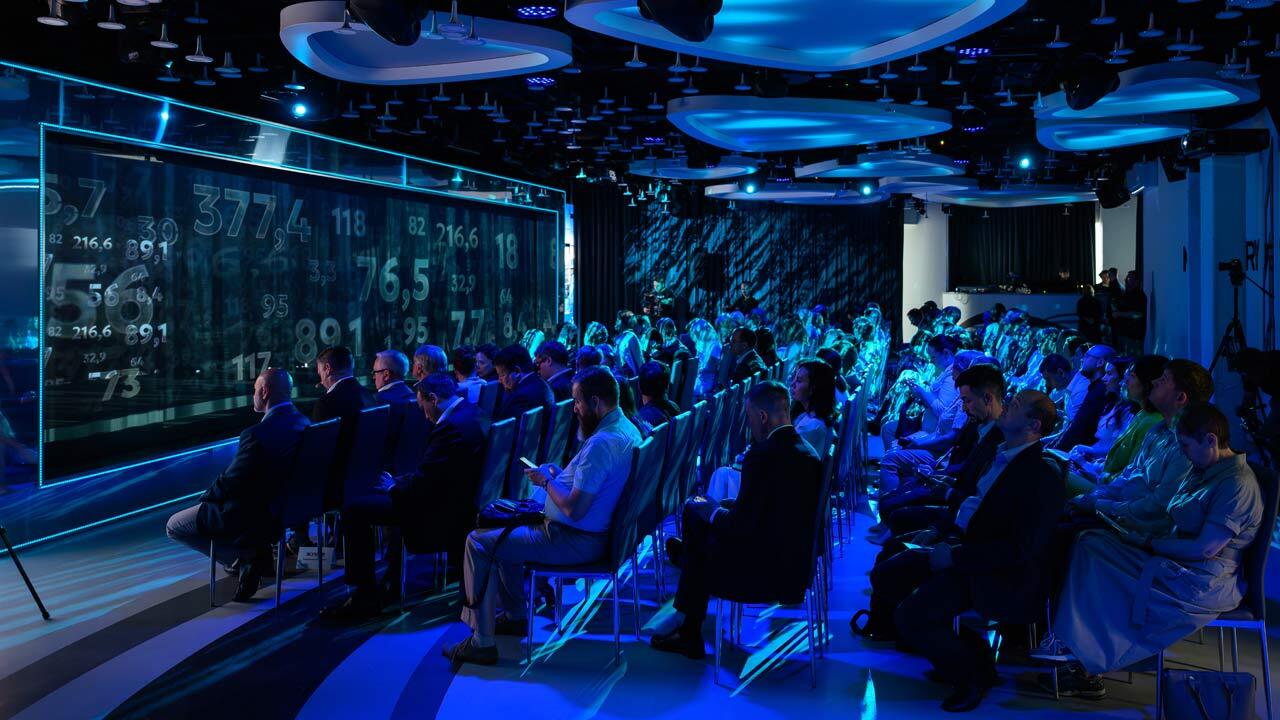
On a hot summer day, representatives of regulators, rating agencies, and other sustainability experts gathered in the air-conditioned office space in Moscow City. The respectable audience took their seats in the comfortable, dimly lit hall and prepared to listen to a thorough presentation of a report by one of the industry leaders. But suddenly, indignant voices were heard — “company employees” in the front rows demanded that the host stop talking about impressive numbers and dull slides, get to the point, and focus instead on Nornickel itself and on people. The intrigued audience quickly put away their smartphones and watched the scene with interest, while the “employees” took the initiative and began sharing real-life stories. This became the emotional thread that ran through the entire event.
The theatrical format of the presentation captured the main idea with precision: behind every target indicator stand real changes in the lives of employees and residents of the regions.
The theatrical format of the presentation captured the main idea with precision: behind every target indicator stand real changes in the lives of employees and residents of the regions.
At the event, Nornickel also presented its Regional Atlas for the first time — a unique map of projects in Krasnoyarsk Krai, Murmansk Oblast, and Zabaykalsky Krai. This is no longer just a report, but a guide to the real transformation of the regions, where every area of work is backed by specific results on the ground.
The Regional Atlas provides a comprehensive view of the territorial development system that Nornickel is building across the regions. This approach makes the report much more visual and closer to everyday life. In essence, it is a map of the company’s social and environmental projects in its key regions. The Atlas shows accurate results: new housing, kindergartens, sports facilities, public spaces, environmental projects, and other changes that local residents can see and feel in daily life. The Regional Atlas works as live continuation of the report, with a focus on people, places, and tangible change.
From numbers to reality
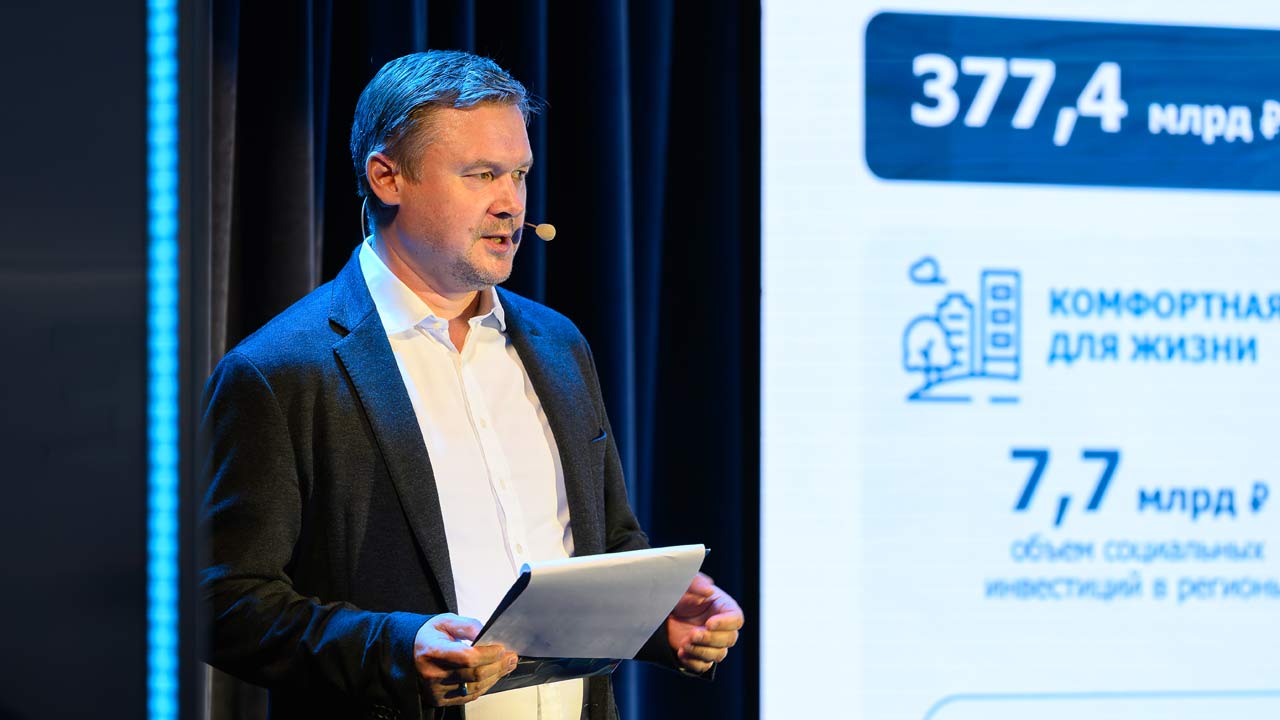
The Vice President for Investor Relations at Nornickel, Vladimir Zhukov, highlighted the report’s key figure: in 2025, the company allocated more than 377 billion rubles to sustainability projects linked to national goals. Fundamentally, this highlights Nornickel’s approach to sustainability as an integrated investment in human capital, regional development, environmental stewardship, and operational safety.
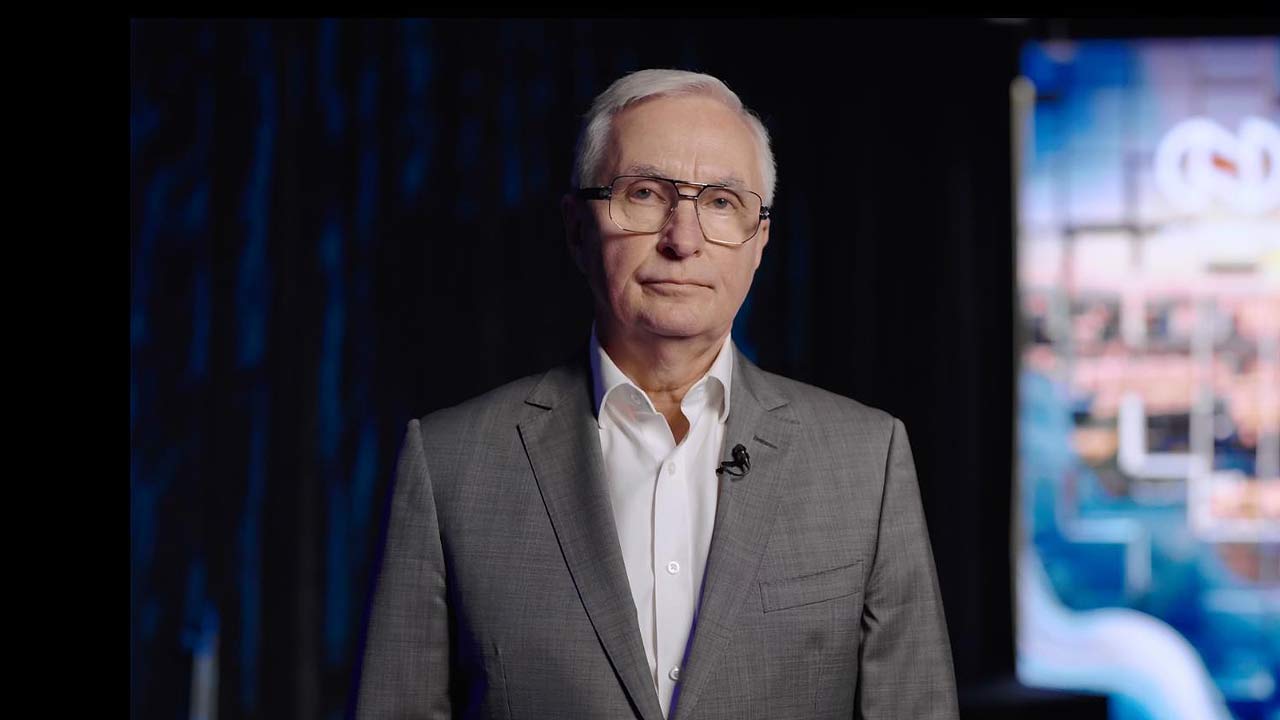
Igor Yurgens, Director of the MGIMO Center for Sustainable Development:
" This year marked a full 30-year period since Russian companies joined the global trend of responsible corporate governance. Nornickel was among the first to join the UN Global Compact in the early 2000s and to embrace the concept of sound corporate governance aimed at social and economic effectiveness.”
Independent indices serve as benchmarks for assessing how comfortable and safe a living environment is. One such benchmark is the Russian Ministry of Construction’s Urban Environment Quality Index, an independent ranking that evaluates comfort, safety, environmental quality, infrastructure, and public spaces. According to the results for 2023–2024, Norilsk rose by 18 points, Zapolyarny by 22 points, and Monchegorsk by 19 points.
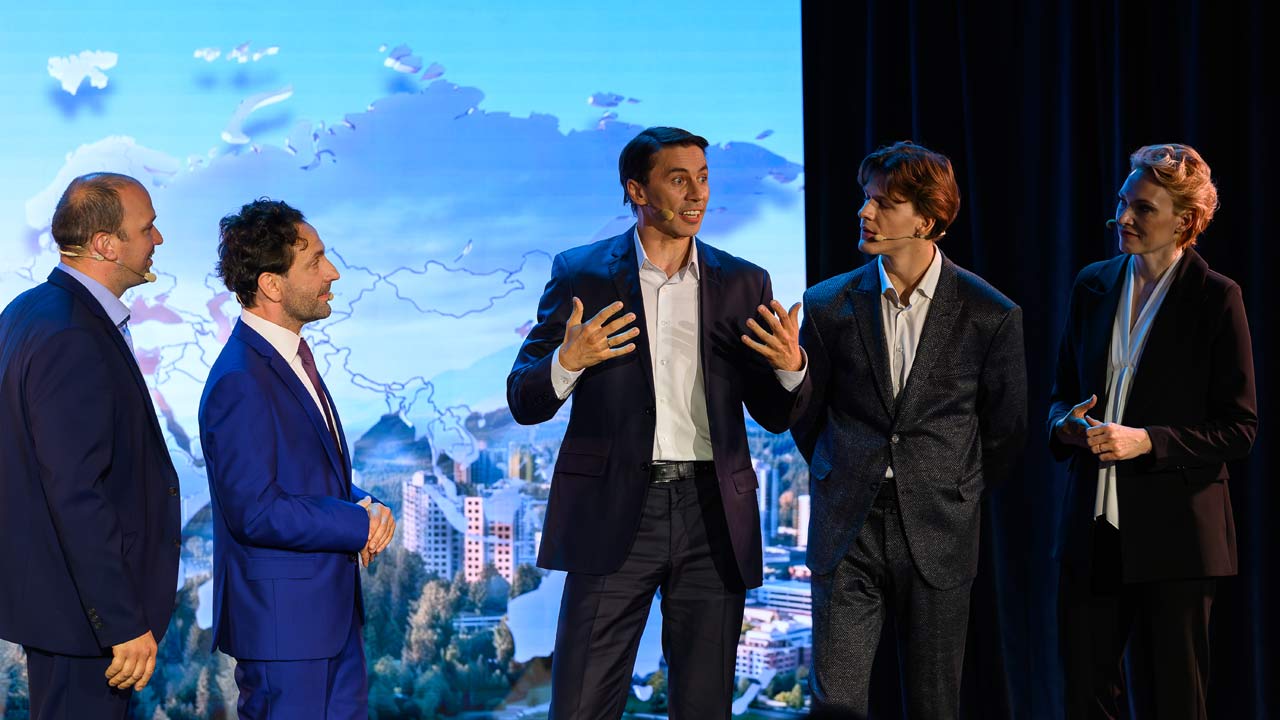
What lies behind these numbers? The answer is revealed in a series of immersive sketches, in which professional actors, transformed into company employees, brought to life the stories behind each figure.
Stay Home!
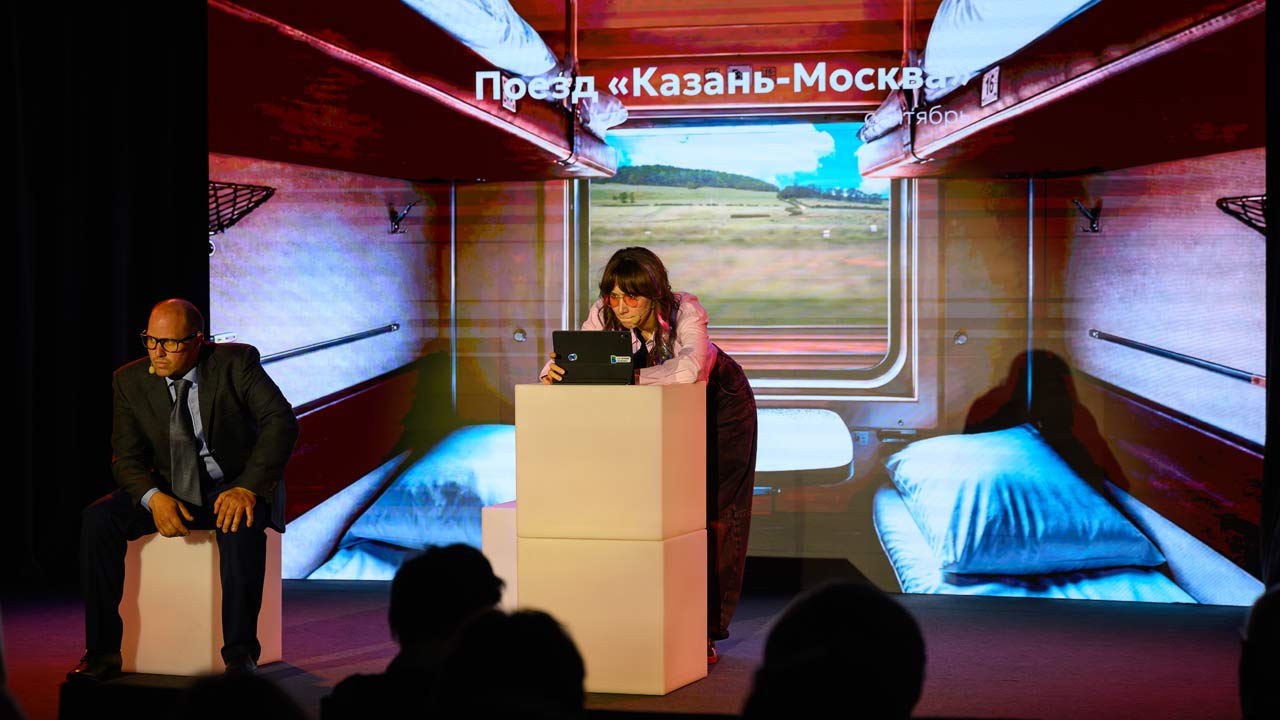
In the sketch titled “Palladium Laboratory,” two chemists on a train strike up a heartfelt conversation. They conclude that their knowledge and experience are no longer abstract assets, but genuinely in demand, and that the alliance between science and business is no longer a dream but a reality. Nornickel’s investments in applied research on the ground only reinforce this idea.
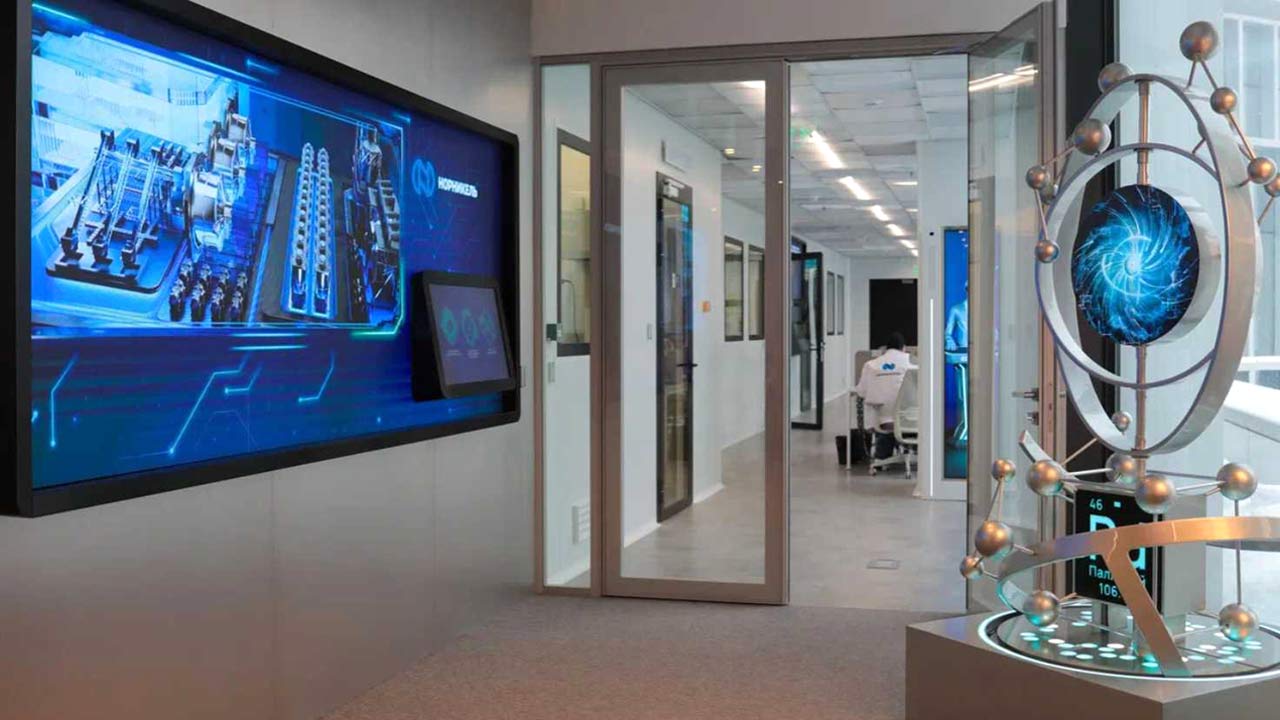
The company operates several research centers, including Gipronickel Institute, the Palladium Technologies Center, the Battery Center, and the Digital Laboratory. There is not just work for scientists — there is a great deal of it. In April 2026, the world’s first full-cycle palladium laboratory began operations. It is set to become a powerful tool for innovations that will expand the use of palladium in green technologies.
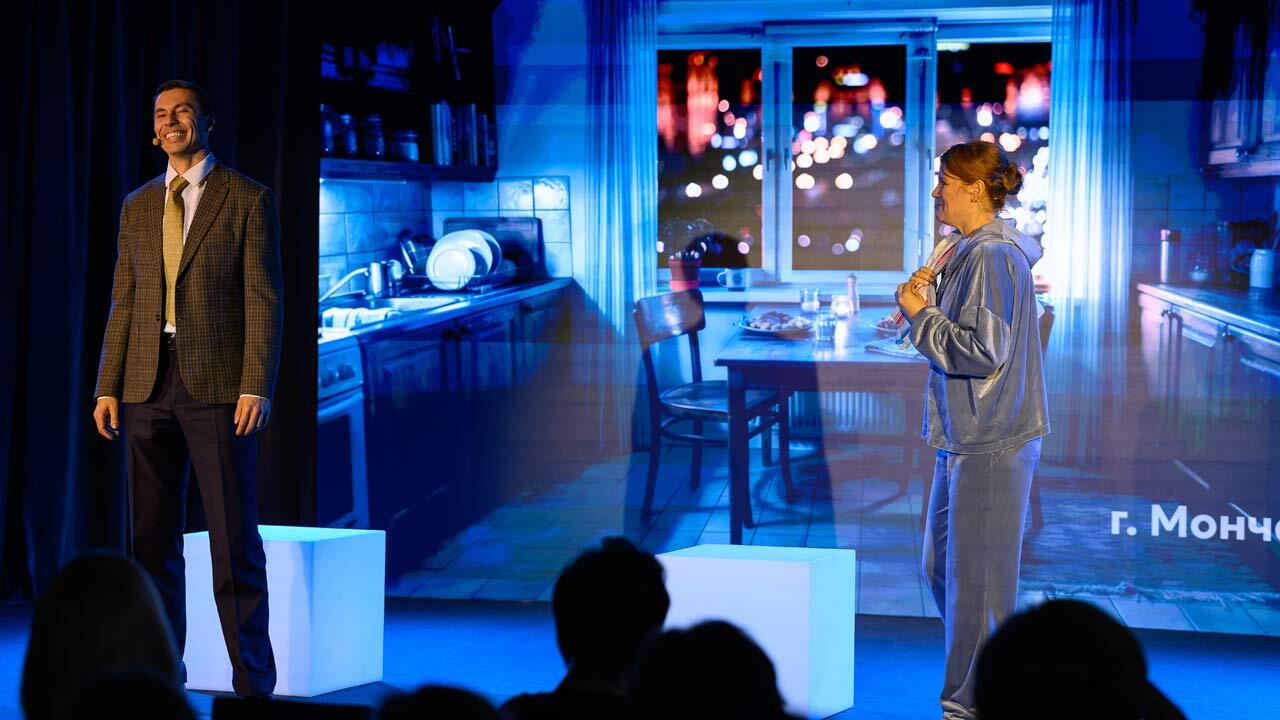
A humorous sketch about AI illustrated the company’s approach to integrating digital solutions into daily operations. In 2025, Nornickel invested 8.4 billion rubles in digital innovation and technology. The economic effect of these investments already exceeds 10 billion rubles per year, and the company expects to increase it to 50 billion rubles by 2030.
The key priorities include automation of production processes, the development of proprietary technological solutions, and, of course, the deployment of artificial intelligence based on the company’s own MetalGPT model. Using this platform, Nornickel is creating personal AI assistants and autonomous agents that are being integrated into operational processes.
Contrary to common concerns, the development and deployment of artificial intelligence have not taken jobs away from people; instead, they have made work easier, safer, and faster. Today, more than 80% of key equipment across all Nornickel sites is controlled by machine-learning algorithms and computer vision.
The key priorities include automation of production processes, the development of proprietary technological solutions, and, of course, the deployment of artificial intelligence based on the company’s own MetalGPT model. Using this platform, Nornickel is creating personal AI assistants and autonomous agents that are being integrated into operational processes.
Contrary to common concerns, the development and deployment of artificial intelligence have not taken jobs away from people; instead, they have made work easier, safer, and faster. Today, more than 80% of key equipment across all Nornickel sites is controlled by machine-learning algorithms and computer vision.
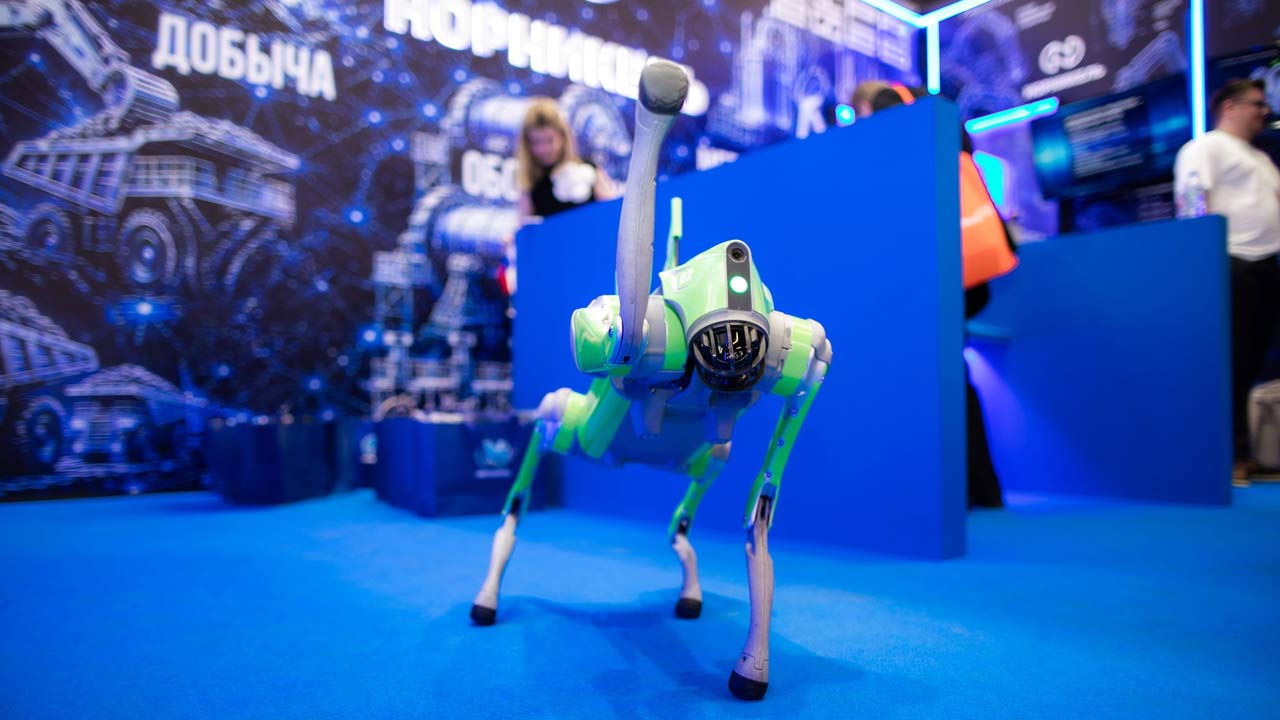
The company’s IT project portfolio includes several solutions designed to strengthen the technological independence of the entire mining industry. A special place among them belongs to Axioma, an AI-based predictive emissions monitoring system with digital twin technology. It can forecast emissions one day in advance.
The MAGMA digital platform helps improve mining efficiency by bringing together three key modules: geology, planning, and real-time control.
For Nornickel, digital innovations mean technological development together with new jobs, new competencies, and more efficient production. And that brings the conversation back to people once again: to those who work today, study now, and will shape tomorrow’s industry.
The MAGMA digital platform helps improve mining efficiency by bringing together three key modules: geology, planning, and real-time control.
For Nornickel, digital innovations mean technological development together with new jobs, new competencies, and more efficient production. And that brings the conversation back to people once again: to those who work today, study now, and will shape tomorrow’s industry.
“Let’s call the right people!”
A moving sketch about the company’s role in rescuing polar bears, based on real events, was remembered by viewers for the fisherman’s line: “I called the right people. The right people came. And they helped.”
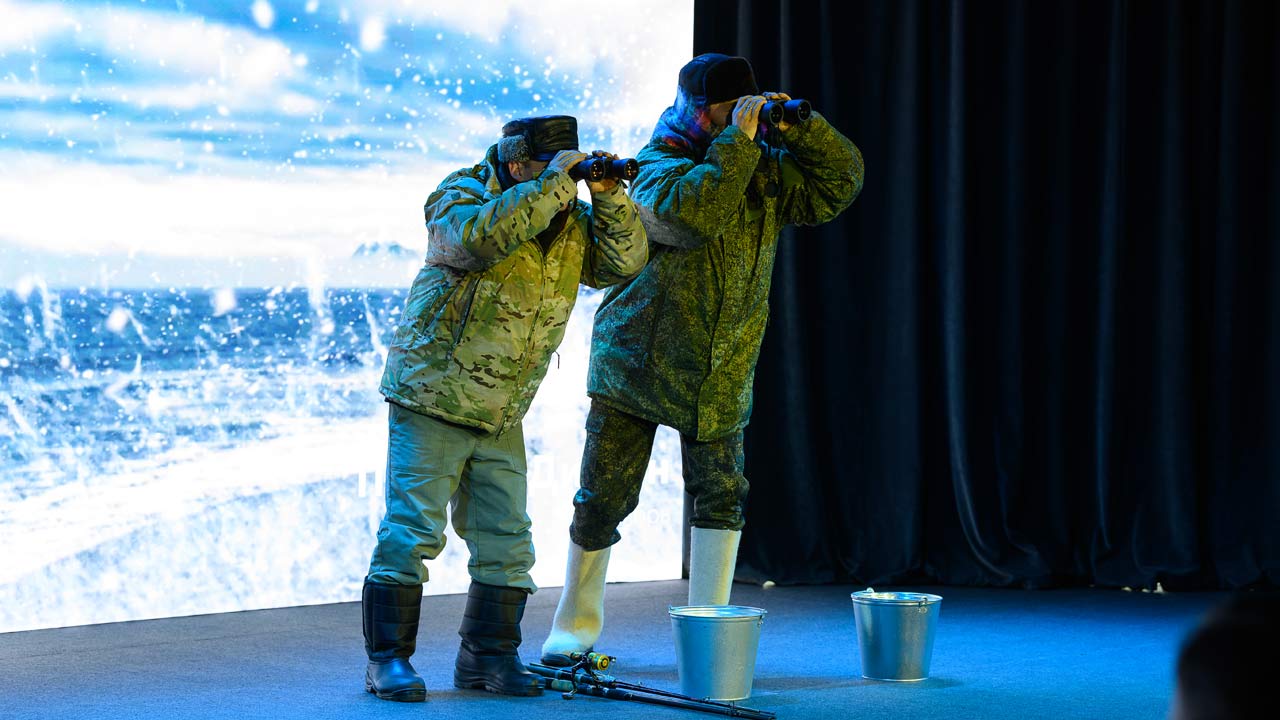
In 2025, the company developed a 10-year biodiversity conservation program. The current version covers monitoring, support for protected areas, and scientific volunteering. It was shaped by the UN biodiversity goals, national priorities, Nornickel’s strategic agenda, and feedback from the scientific community.
Svetlana Bik, one of Russia’s leading experts on sustainability and ESG transformation in business, said:
“Moving beyond the standard format of a presentation did not diminish the reporting purpose of the event. On the contrary, it clearly showed something important: non-financial reporting does not have a single reader, and if standards do not provide tools for dialogue with every stakeholder, one has to go beyond familiar formats.”
“What is wrong with Norilsk?”
The next sketch, featuring disoriented trash vloggers, illustrated the changes taking place in Norilsk. “What is wrong with this Norilsk?!” they shout when they cannot find abandoned industrial buildings. They are forced to change the format of their blog and launch a “Before and After” section.
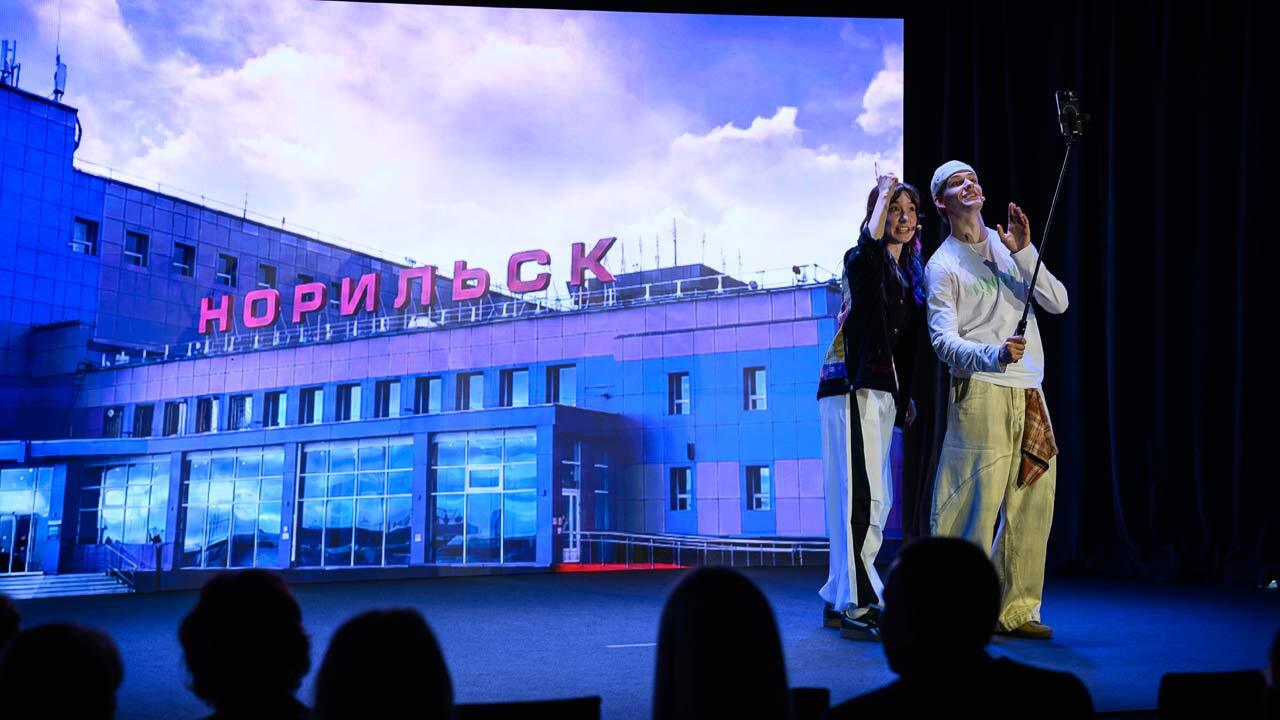
Norilsk is doing just fine. The company is implementing a 10-year Clean Norilsk program, with total investments over the decade amounting to 40 billion rubles. In 2025 alone, Nornickel spent 2 billion rubles on cleaning up the Norilsk industrial area, removing industrial and construction waste, land reclamation, and site improvement. Over the first five years of the program, a total of 17 billion rubles has already been invested in making Norilsk cleaner.
The company pays particular attention to climate adaptation, since the Arctic climate is changing faster than the global average. Nornickel is implementing unique solutions to adapt to environmental change, including a geotechnical monitoring system for buildings and structures located on permafrost. More than 1,000 facilities are already connected to the system.
In terms of climate impact, Nornickel maintains one of the lowest product carbon footprints among the world’s largest mining and metals companies.
The company pays particular attention to climate adaptation, since the Arctic climate is changing faster than the global average. Nornickel is implementing unique solutions to adapt to environmental change, including a geotechnical monitoring system for buildings and structures located on permafrost. More than 1,000 facilities are already connected to the system.
In terms of climate impact, Nornickel maintains one of the lowest product carbon footprints among the world’s largest mining and metals companies.
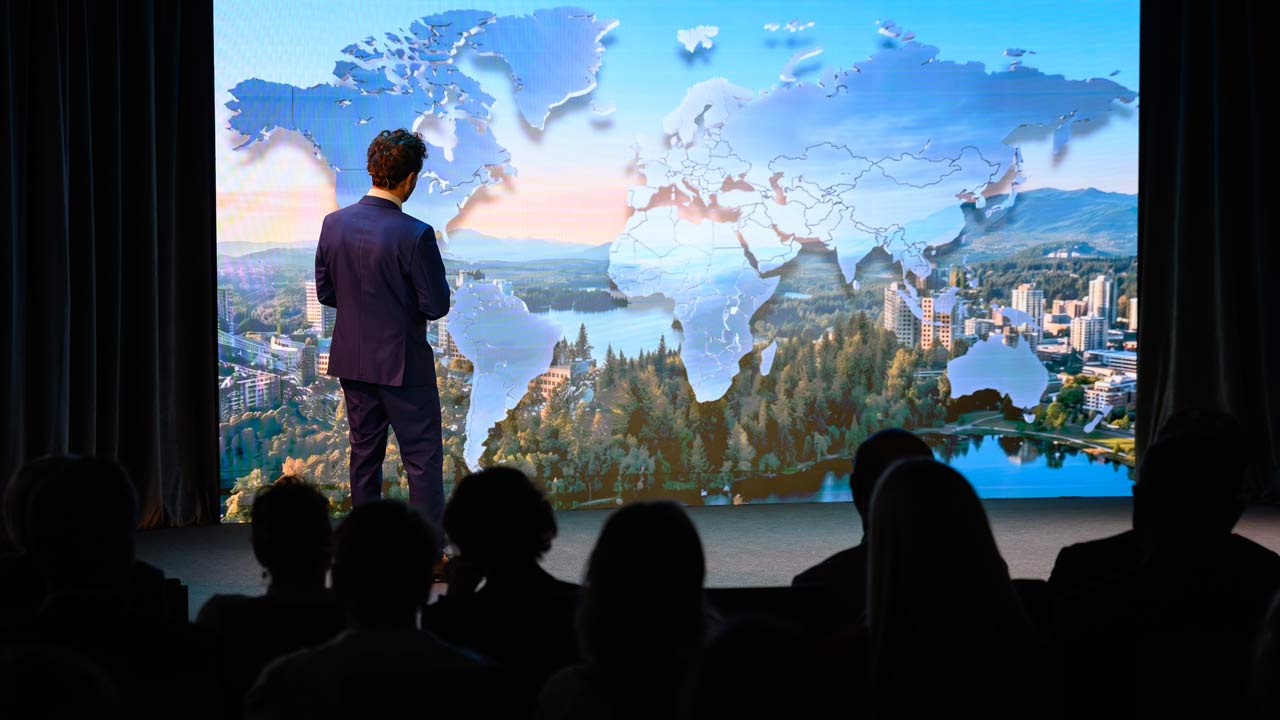
"Tuya khire enin-enin kihini hobulëççitä huok"
With a translator app that works even offline, anyone can read this phrase in Dolgan. It means: “Not everyone can enter the tundra.” If you want to work in the Far North, you need to understand its culture and languages. That was the conclusion reached by a young doctor in the sketch “The Volunteer and the Doctor.”
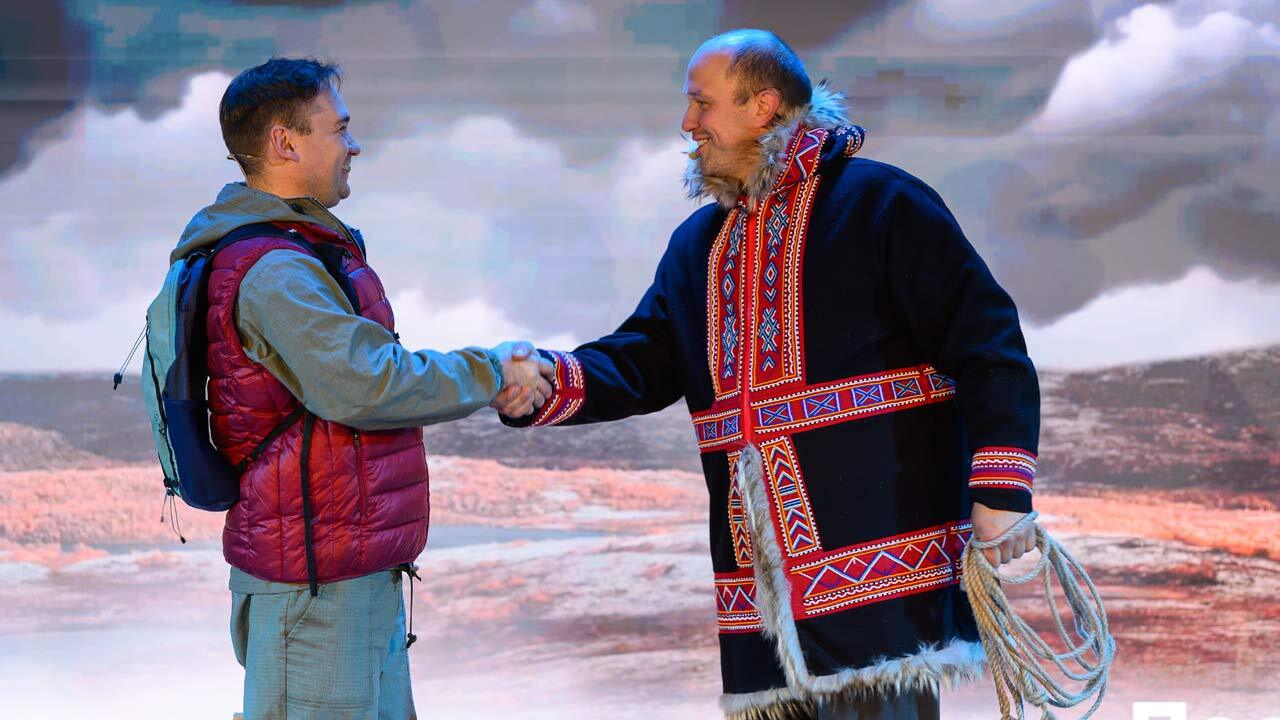
Nornickel takes the same view. Supporting the Indigenous small-numbered peoples of the North remains a core priority for the company. It is both a contribution to regional development and national goals, and, of course, an important part of business development.
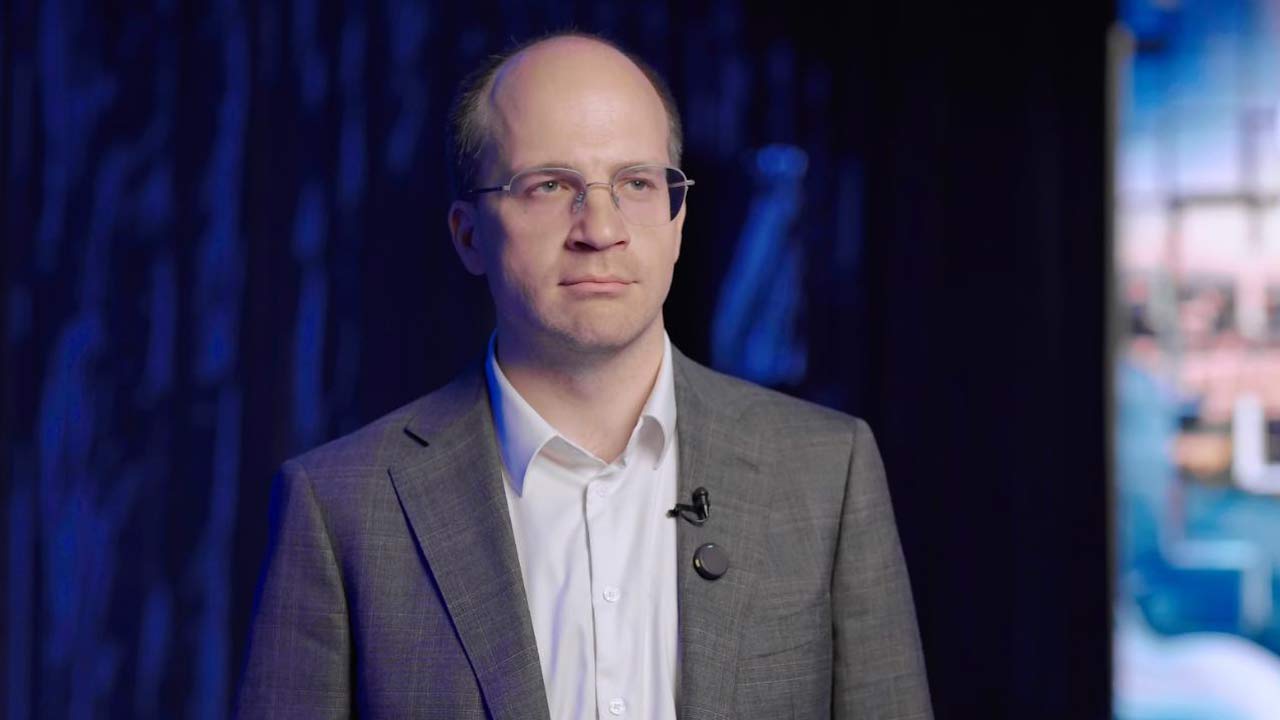
Maxim Dankin, CEO of the Expert Centre — Project Office for Arctic Development (POAD):
“Today’s figures confirm that Nornickel is a leader in the sustainability agenda of the most important geostrategic territories of our country. The figures presented today are backed by independent ratings. Despite many difficult circumstances linked to changes in the global geopolitical environment, the company continues to fulfill its most important commitments, whether in the environmental sphere or in supporting Indigenous peoples.”
At Nornickel, a Coordination Council for interaction with family and clan communities of Indigenous small-numbered peoples is in place. Its task is to build an effective system of dialogue.
Together with the Federal Agency for Nationalities Affairs and MGIMO, the company is implementing the School of Public Diplomacy project. It helps representatives of Indigenous small-numbered peoples build expertise to promote their rights and interests on Russian and international platforms, including the UN.
The company pays for education, accommodation, and stipends for Indigenous youth under the Students of Taimyr program. By the end of 2025, 74 students were enrolled at the Zapolyarny State University.
Together with the Federal Agency for Nationalities Affairs and MGIMO, the company is implementing the School of Public Diplomacy project. It helps representatives of Indigenous small-numbered peoples build expertise to promote their rights and interests on Russian and international platforms, including the UN.
The company pays for education, accommodation, and stipends for Indigenous youth under the Students of Taimyr program. By the end of 2025, 74 students were enrolled at the Zapolyarny State University.
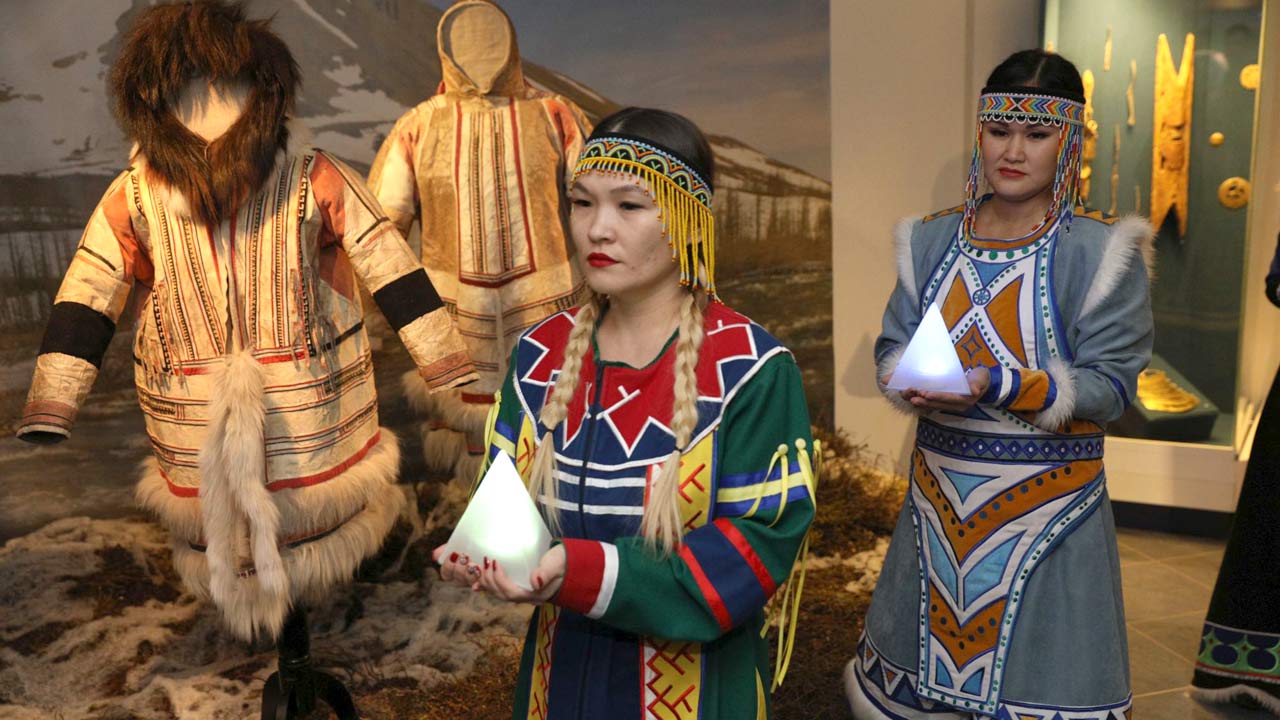
The smallest indigenous people of Taimyr, the Enets, have gained the opportunity to preserve the written form of their language and its cultural code. Thanks to the primer and workbooks developed by the company, their language will not disappear from the earth. Translation apps for five languages of the Indigenous small-numbered peoples of the North are already helping people hear and understand one another.
Value what matters
Two years ago, caring for people was declared one of the company’s core values. A humorous sketch featuring a tasting of a nine-course lunch showed only one aspect of employee support. And yet this is not a joke: Nornickel really does hold lunch tastings.
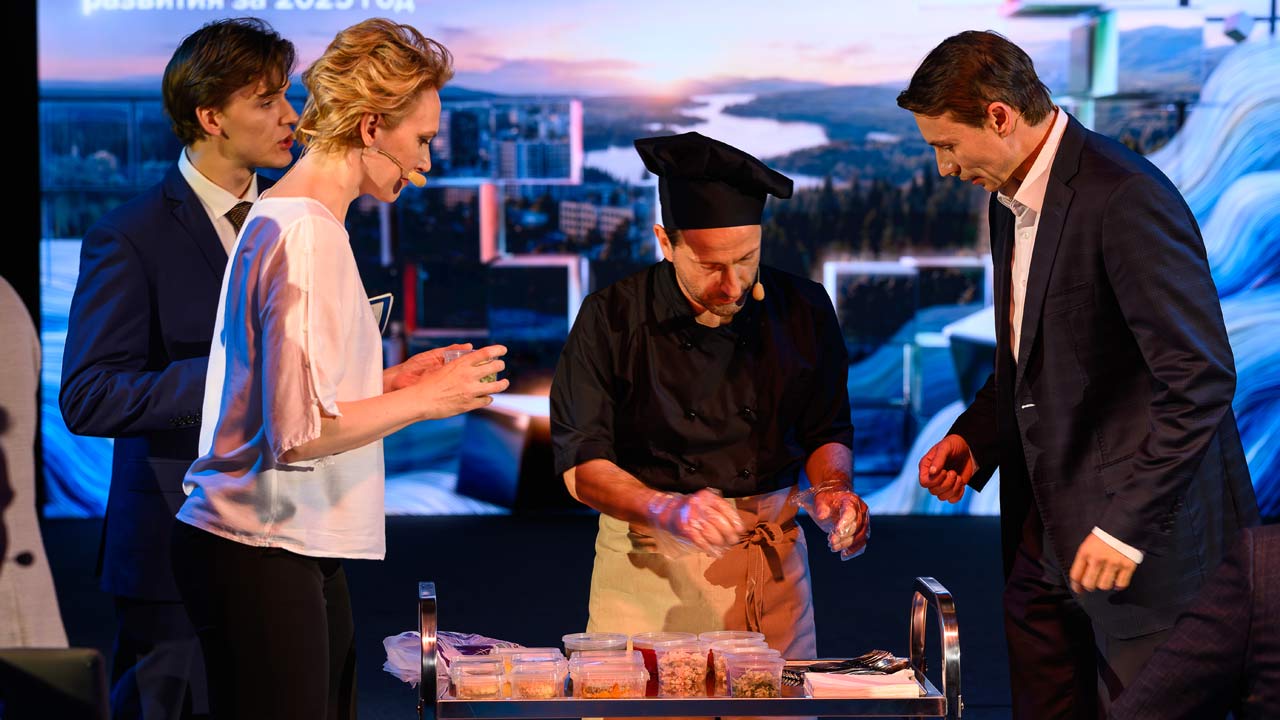
In 2025, Nornickel launched an internal People Care Index. It measures the issues most important to employees, including social protection, manager support, and many others. At the end of the year, the index stood at 67%.
The principle of care is embedded in all key business processes, from hiring and career planning to project management and corporate culture. Larisa Zelkova, Nornickel Senior Vice President for HR, Social Policy, and Public Relations at Nornickel, spoke about this in more detail:
The principle of care is embedded in all key business processes, from hiring and career planning to project management and corporate culture. Larisa Zelkova, Nornickel Senior Vice President for HR, Social Policy, and Public Relations at Nornickel, spoke about this in more detail:
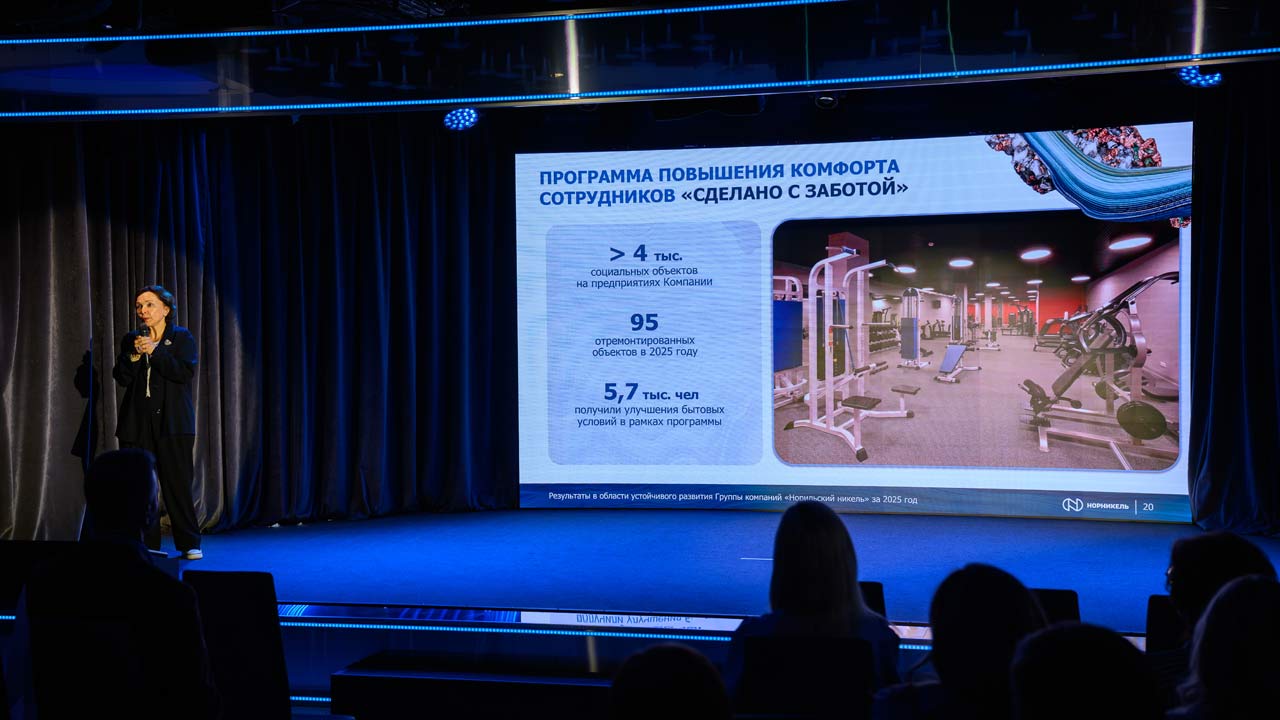
“Nearly 18 billion rubles were spent on social programs and benefits in 2025. These included a sanatorium-and-spa treatment program and ‘The North Is Calling,’ an employee adaptation program in northern regions, which involved more than 5,200 people in 2025.
Another part of the presentation focused on everyday and social comfort at company facilities. In 2025, 3.3 billion rubles were allocated to these goals under the corporate program ‘Made with Care‘.
Another part of the presentation focused on everyday and social comfort at company facilities. In 2025, 3.3 billion rubles were allocated to these goals under the corporate program ‘Made with Care‘.
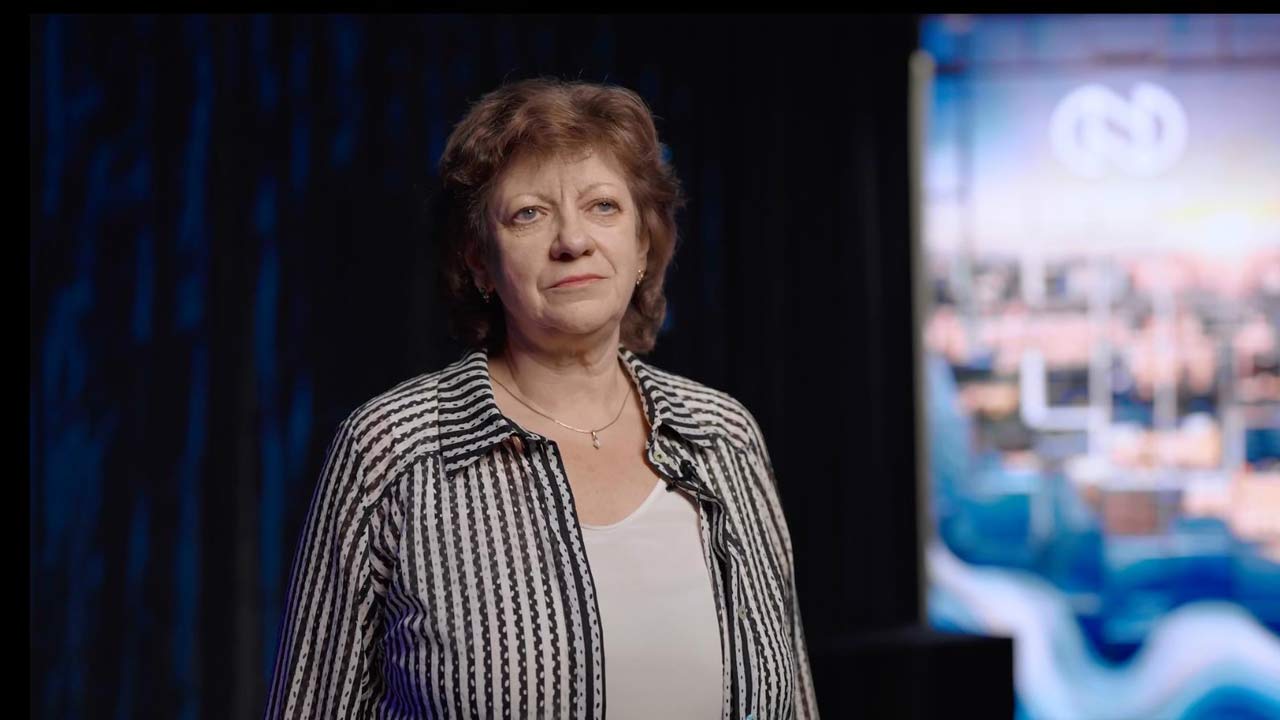
Elena Feoktistova, Managing Director for Corporate Responsibility and Sustainable Development at the Russian Union of Industrialists and Entrepreneurs, said:
“A report is a mirror of activity. In this sense, we are dealing with a company that is undoubtedly at the forefront of responsible business conduct. Based on these results, one can assess the company’s contribution both to the achievement of national goals and to the implementation of national projects.”
The company’s care for people is reflected not only in the creation of comfortable working conditions. More than 76,000 people work at Nornickel. In 2025 alone, the company hired around 13,000 new employees. At the same time, the average monthly salary rose from 207,000 to 216,600 rubles, which is almost twice the average for Russia.
Since 2025, Nornickel has expanded the group of employees eligible to become holders of digital financial assets. A certain length of service is no longer required.
The Digital Investor program is the only corporate long-term incentive program based on digital financial assets, not only in Russia but in the world. In 2025, 69,500 employees took part in it. Operating costs for the program amounted to 11.6 billion rubles.
If you want, I can continue and turn all these translated fragments into one unified, publication-ready English text with the same style throughout.
Since 2025, Nornickel has expanded the group of employees eligible to become holders of digital financial assets. A certain length of service is no longer required.
The Digital Investor program is the only corporate long-term incentive program based on digital financial assets, not only in Russia but in the world. In 2025, 69,500 employees took part in it. Operating costs for the program amounted to 11.6 billion rubles.
If you want, I can continue and turn all these translated fragments into one unified, publication-ready English text with the same style throughout.
Who will I become when I grow up?
A brilliant career starts with education. Last year, Nornickel hired nearly 5,000 employees under the age of 29, and more than 750 students completed internships with the company. Nornickel has built a continuous support pathway for young people, from school career guidance to internships, employment, training, and the development of young professionals.
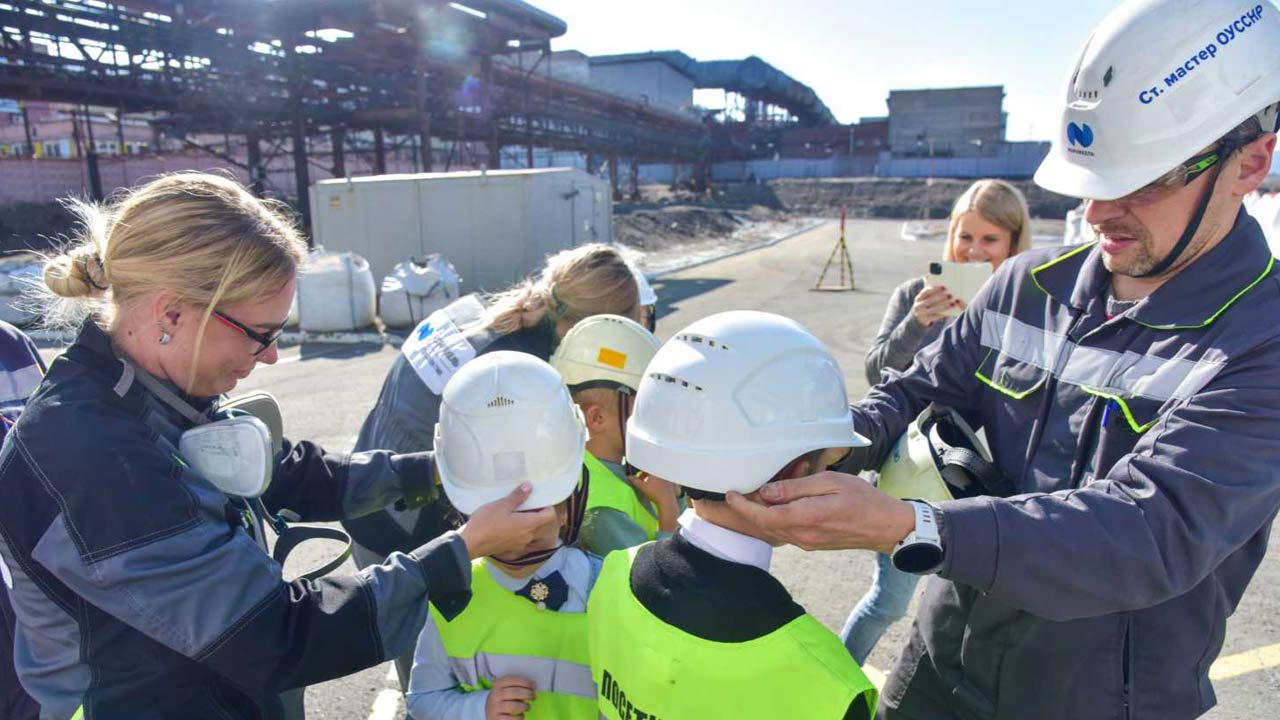
This is especially important for northern and industrial regions. Young people stay where they see prospects, a decent income, clear career paths, and a respectful human environment. Nornickel aims to create exactly such an environment through its social benefits package, healthcare, sports, family support, and development programs.
Please put on your helmet!
A sketch about a seasoned occupational safety specialist meeting a graduate of an internal safety culture trainer program illustrated the company’s new approach to occupational health and safety. Over the past few years, this approach has changed significantly.
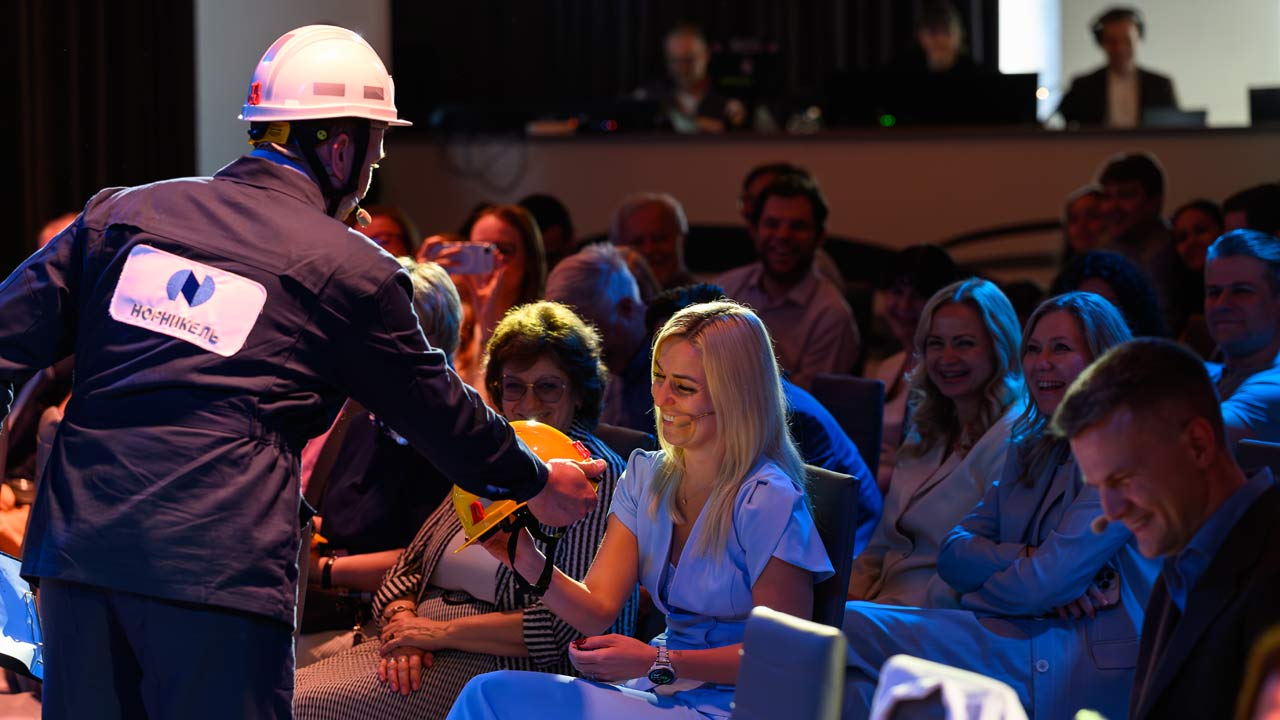
The most important point was stated with complete honesty: in 2025, there were five fatal accidents in the group, including one involving a contractor’s employee. The company does not hide this statistic; on the contrary, it uses it to review safety rules and strengthen prevention measures. Achieving zero fatalities in production remains the company’s most important strategic priority.
Nornickel’s investments in industrial safety in 2025 exceeded RUB 11.4 billion, or about RUB 150,000 per employee.
Taking into account the results of recent years, the company has developed a corporate industrial safety and occupational health strategy through 2028 under the symbolic name Polar Star.
Nornickel’s investments in industrial safety in 2025 exceeded RUB 11.4 billion, or about RUB 150,000 per employee.
Taking into account the results of recent years, the company has developed a corporate industrial safety and occupational health strategy through 2028 under the symbolic name Polar Star.
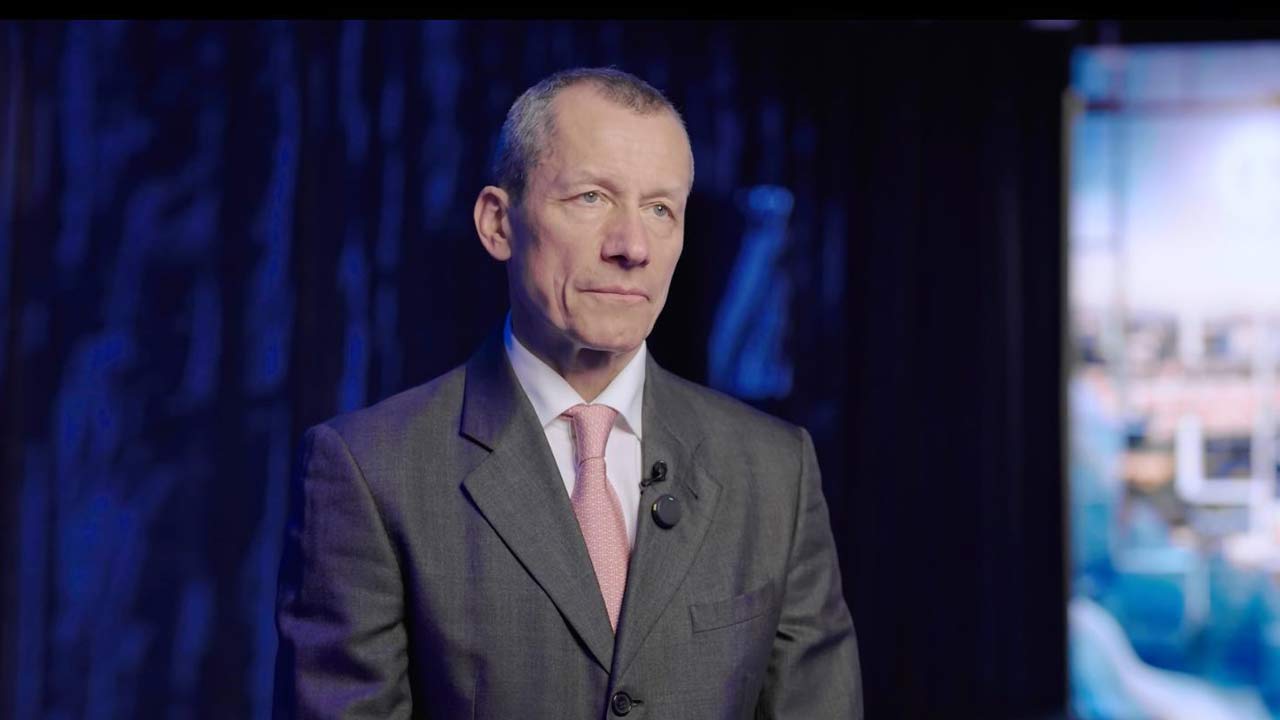
Andrey Sharonov, CEO of the National Sustainability Alliance, said:
“The very large expenditures, both current and investment-related, are highly commendable because they affect quality of life, the quality of jobs, safety, urban improvement, and the quality of medical and educational services.”
Industrial safety performance indicators are included in the key performance indicators of employees and managers. The company has revised its audit methodology, introduced audits of repair work, strengthened its risk-based approach, and expanded the use of digital solutions and video analytics. Particular attention is paid to developing the relevant competencies among employees.
At Nornickel, safety in production is understood not as an abstract section of a report, but as something without which people can have neither decent work, nor a decent life.
At Nornickel, safety in production is understood not as an abstract section of a report, but as something without which people can have neither decent work, nor a decent life.
Green light for floats!
Last year, the company reorganized its charitable and volunteer activities and united its key corporate initiatives in this area into a large-scale social capital development program, People of the Territory.
The merger of the charitable program A World of New Opportunities — with funding of 393 million rubles last year alone and 16,500 participants — and the corporate volunteering program Plant of Goodness — 156 million rubles and 4,500 participants — created a synergistic effect and took the company’s best philanthropic practices to a new level.
Nornickel’s People of the Territory program marked a shift from one-off initiatives to the systematic development of territories through people. The sketch about grant distribution and the business project accelerator featured real stories of employees and local residents. One example was an excavator operator who bought a mini-excavator and now works as a contractor on Norilsk renovation projects. Another was the launch of a 3D printing farm producing unique floats for deep-sea fishing, which are in demand even abroad.
The merger of the charitable program A World of New Opportunities — with funding of 393 million rubles last year alone and 16,500 participants — and the corporate volunteering program Plant of Goodness — 156 million rubles and 4,500 participants — created a synergistic effect and took the company’s best philanthropic practices to a new level.
Nornickel’s People of the Territory program marked a shift from one-off initiatives to the systematic development of territories through people. The sketch about grant distribution and the business project accelerator featured real stories of employees and local residents. One example was an excavator operator who bought a mini-excavator and now works as a contractor on Norilsk renovation projects. Another was the launch of a 3D printing farm producing unique floats for deep-sea fishing, which are in demand even abroad.
Let’s build a city-garden here!
A strong part of the presentation focused on social investment in the regions and urban environment. The importance of these projects for local communities and people was reflected in two sketches. The first was about the volunteer project Cape of Dreams, which involved improving the shoreline of Lake Lumbolka in Monchegorsk, and the second about the Norilsk renovation program.
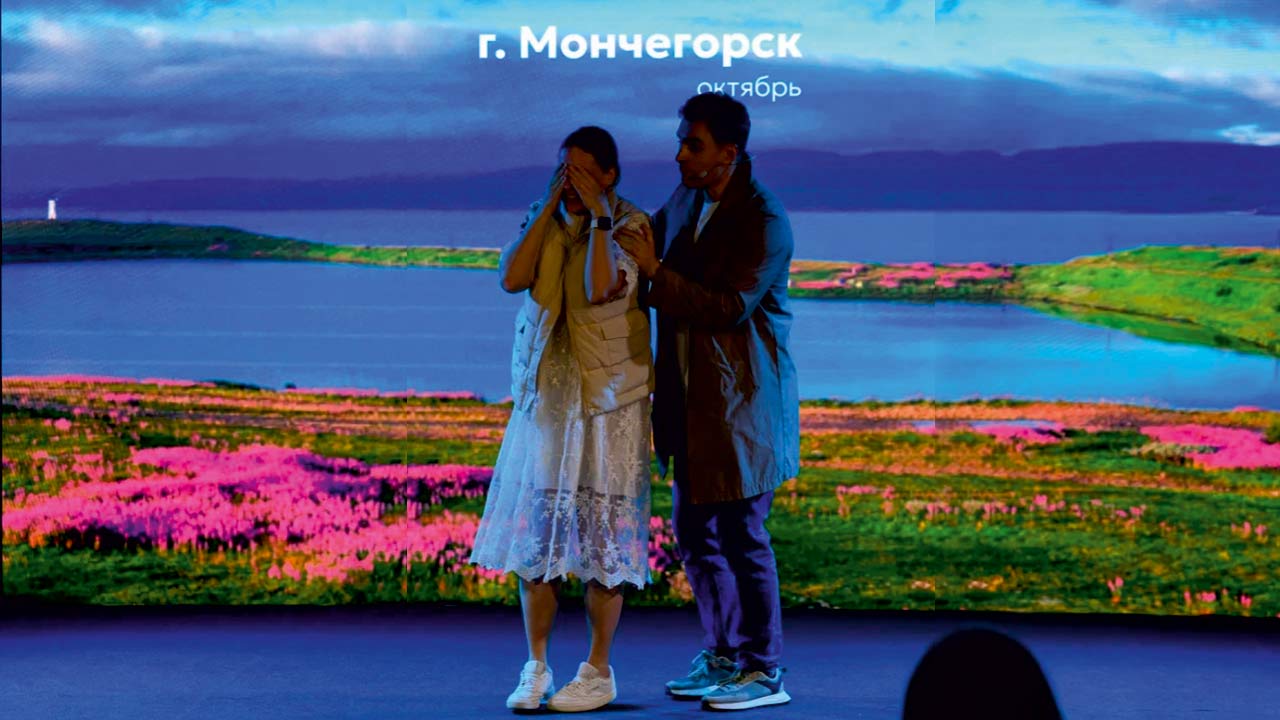
Over the past five years, the company’s investments in renovation have already exceeded 18 billion rubles. With this funding, four residential buildings were constructed in Norilsk, several unsafe buildings were demolished, more than 1,000 people were relocated to areas with favorable natural conditions, and social infrastructure facilities were upgraded. Last year, the Tower social and cultural center opened in the city, becoming a new attraction point for local residents.
In 2025, 7.7 billion rubles were allocated to regional development. In Monchegorsk, a modern sports complex, the Imandra ice arena, was built. Young hockey players no longer need to leave their hometown in order to pursue their dream. In Chita, the Dauria inter-university campus for Zabaykalsky State University will be built. The construction agreement was signed in 2025.
All these projects are aimed at creating conditions in which people can live comfortably, work, play sports, and make plans for the future. Nornickel’s social investments are becoming part of the systematic development of the cities and regions where the company operates.
In 2025, 7.7 billion rubles were allocated to regional development. In Monchegorsk, a modern sports complex, the Imandra ice arena, was built. Young hockey players no longer need to leave their hometown in order to pursue their dream. In Chita, the Dauria inter-university campus for Zabaykalsky State University will be built. The construction agreement was signed in 2025.
All these projects are aimed at creating conditions in which people can live comfortably, work, play sports, and make plans for the future. Nornickel’s social investments are becoming part of the systematic development of the cities and regions where the company operates.
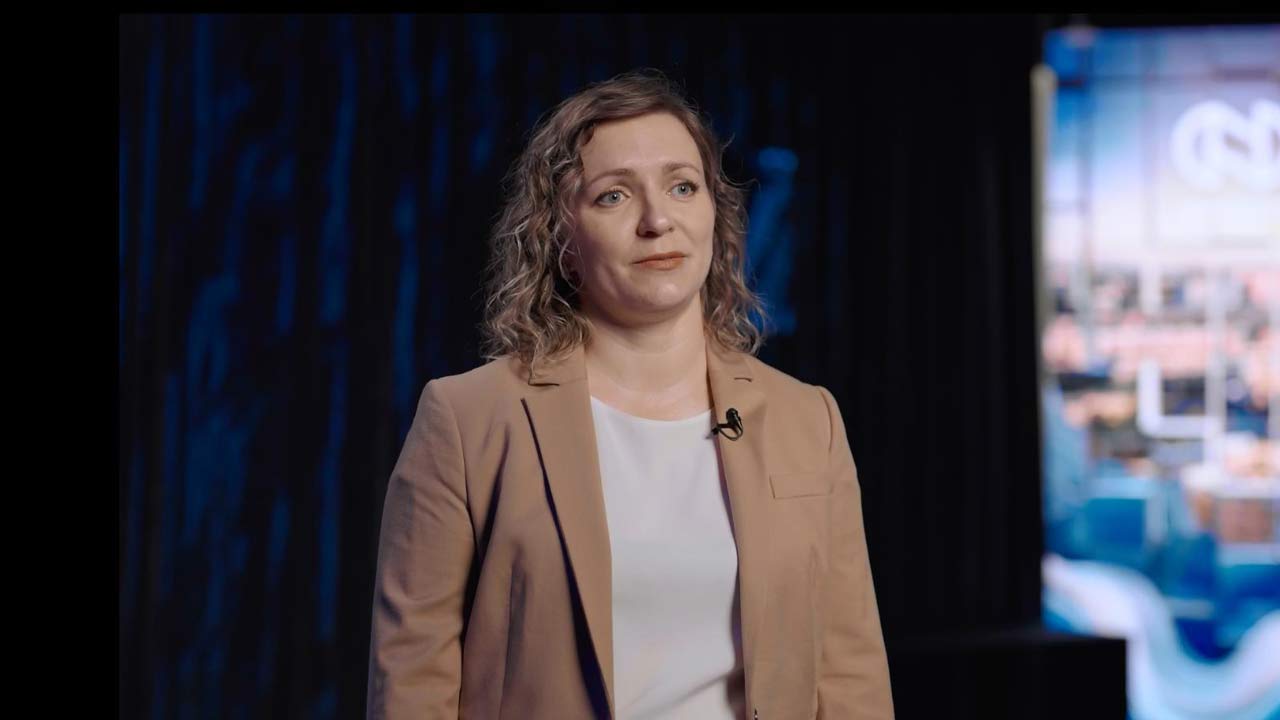
Evgenia Pinegina, Senior Manager in Nornickel’s Sustainable Development Department, said:
“Numbers and charts are, of course, important. But they do not show how deeply sustainable development principles are embedded in the company’s corporate culture. In our performance, we saw real scenes from the lives of our colleagues — environmental specialists, innovators, volunteers, and many others.
It is their enthusiasm, resourcefulness, willingness to overcome difficulties, and readiness to take responsibility that change our company and our cities. We would like to thank all our colleagues who supported us along the way, and to emphasize once again that sustainable development is not only about strategy, but about the results of the joint work of tens of thousands of our colleagues in the regions where we operate.”
Cities for people
In 2025, Nornickel conducted its second large-scale study, the Social Portrait of the Urban Resident. The company first carried out this study in 2018, and it defined the direction of work for the following six years.
The results were highly indicative: residents of Norilsk, Monchegorsk, Zapolyarny, and Nickel reported a 21% increase in their assessment of overall quality of life, while their evaluations of urban infrastructure, services, and utility systems rose by 31%.
According to the study, trust in Nornickel’s city development programs and initiatives increased by 34%. Social programs also contributed to higher employee loyalty and engagement.
The results were highly indicative: residents of Norilsk, Monchegorsk, Zapolyarny, and Nickel reported a 21% increase in their assessment of overall quality of life, while their evaluations of urban infrastructure, services, and utility systems rose by 31%.
According to the study, trust in Nornickel’s city development programs and initiatives increased by 34%. Social programs also contributed to higher employee loyalty and engagement.
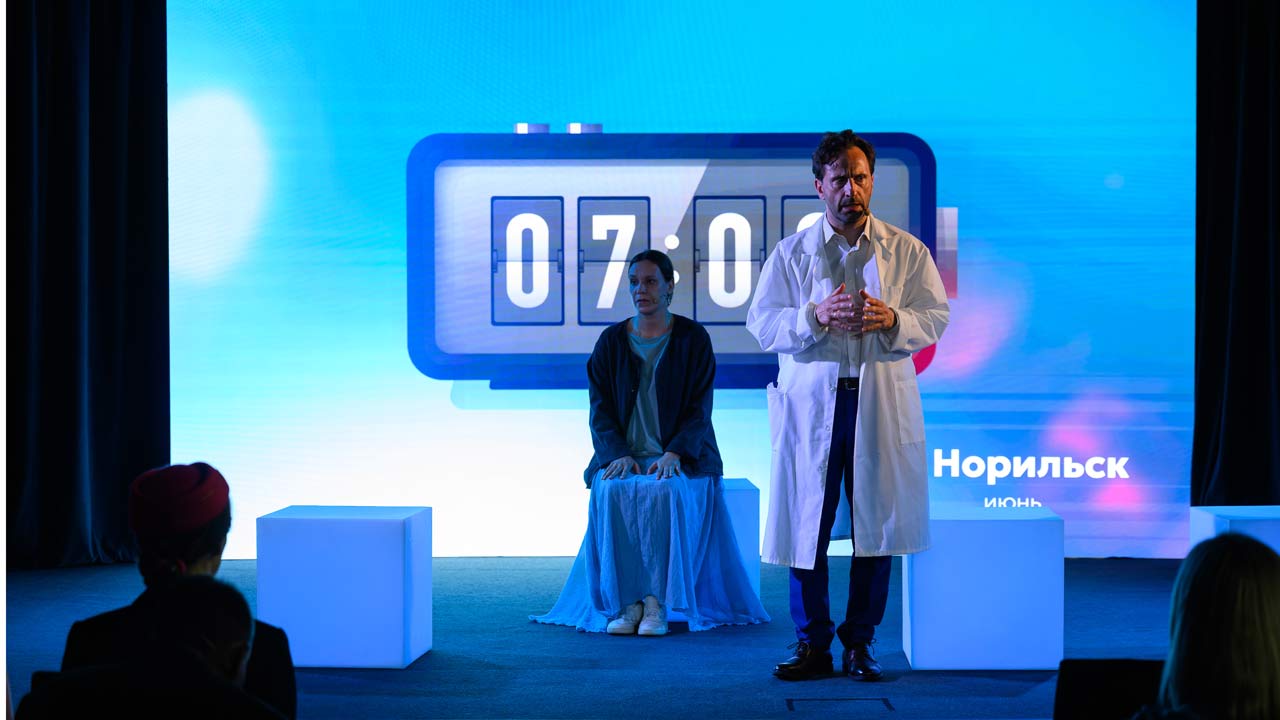
A moving finale to the event was a sketch about saving a seriously ill child in Snezhnogorsk who urgently needed 300 liters of a kidney dialysis solution. This was a real story in which the volunteer organization Angels of Kindness asked Nornickel for help — and, of course, received it. Once again, the story ended well. It left no one in the audience indifferent, drawing a sincere and warm response from everyone present.
In total, the company allocated more than 13 billion rubles to charitable initiatives in 2025.
In total, the company allocated more than 13 billion rubles to charitable initiatives in 2025.
Responsible leadership
Nornickel’s efforts to develop the territories where it operates can be described in many ways: sustainable development, ESG, corporate social responsibility, responsible business conduct. The name is not so important. What matters is the substance.
And the substance is people. It is all about people and for people: helping them live in a dignified and favorable environment, fall ill less often, work with satisfaction, see opportunities for growth, and connect their future — and their children’s future — with this territory.
At Nornickel, this is understood very well. In the reporting year, the company celebrated its 90th anniversary. The company’s history began in a different era. The world has changed for the better over nearly a century. People in the 21st century discuss the digital economy, artificial intelligence, and renewable energy. But at the center of everything remains the human being.
And perhaps this is what truly distinguishes sustainable development: that decades later, there is still life, energy, people, and meaning here. So that even 90 years from now, there will still be something to discuss — and, most importantly, someone to discuss it with.
Nornickel will continue this work with the ambition of a leader, with care for people and territories, and with a readiness to speak openly about its results.
And the substance is people. It is all about people and for people: helping them live in a dignified and favorable environment, fall ill less often, work with satisfaction, see opportunities for growth, and connect their future — and their children’s future — with this territory.
At Nornickel, this is understood very well. In the reporting year, the company celebrated its 90th anniversary. The company’s history began in a different era. The world has changed for the better over nearly a century. People in the 21st century discuss the digital economy, artificial intelligence, and renewable energy. But at the center of everything remains the human being.
And perhaps this is what truly distinguishes sustainable development: that decades later, there is still life, energy, people, and meaning here. So that even 90 years from now, there will still be something to discuss — and, most importantly, someone to discuss it with.
Nornickel will continue this work with the ambition of a leader, with care for people and territories, and with a readiness to speak openly about its results.