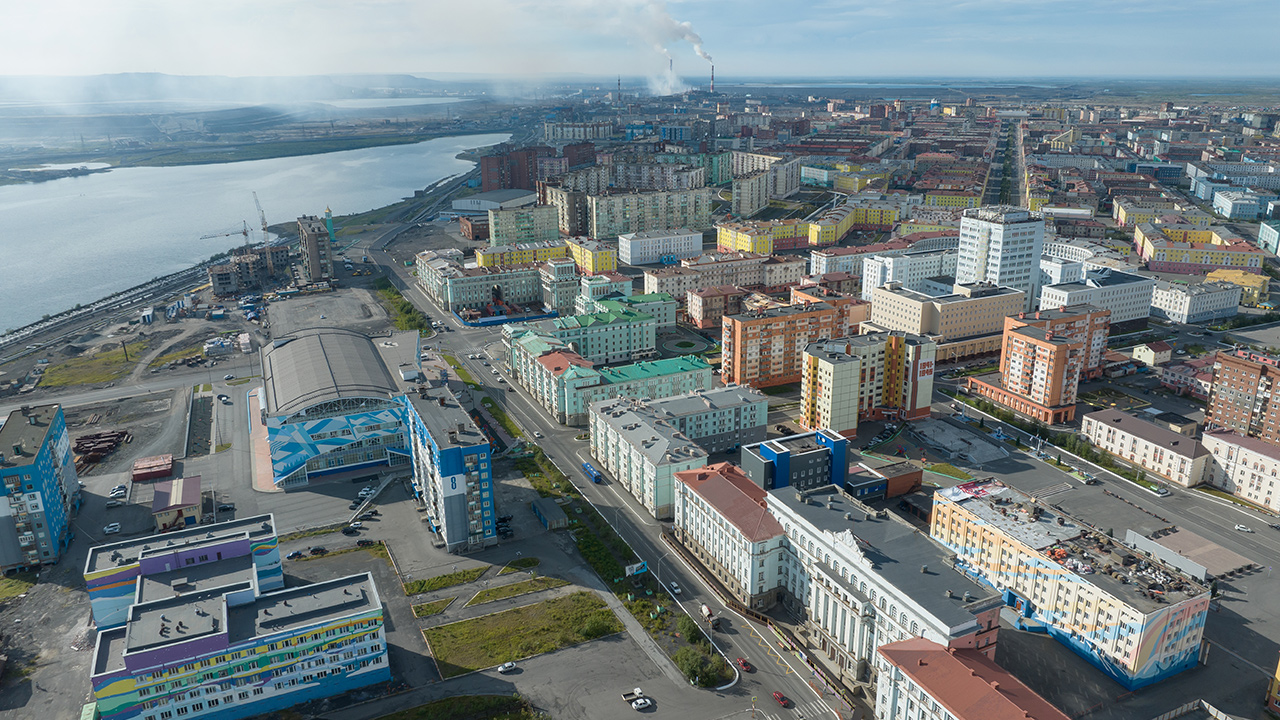
The notion that people move to the Far North solely for high salaries and the romance of life on a rugged frontier is long outdated. Today, choosing to live and work in the Arctic is a deliberate professional challenge—and a choice to build a better quality of life. For Nornickel, with operations in Norilsk, Monchegorsk, and Zapolyarny, this calls for a fundamental shift in perspective. Developing the communities where the company operates is no longer seen simply as a cost or an act of charity. To attract new talent and retain its workforce, the company must help create a quality of life comparable to that in Russia’s more temperate regions. Progress is already reflected in key national benchmarks, including the Ministry of Construction’s Urban Environment Quality Index and VEB.RF’s Quality of Life Index.
A new vision for the North: from charity to investment in human capital
It is often assumed that businesses should pay their taxes and keep production running, while developing cities is the government’s responsibility. Nornickel takes a different view—one shaped by the realities of the Arctic cities and towns where it operates.
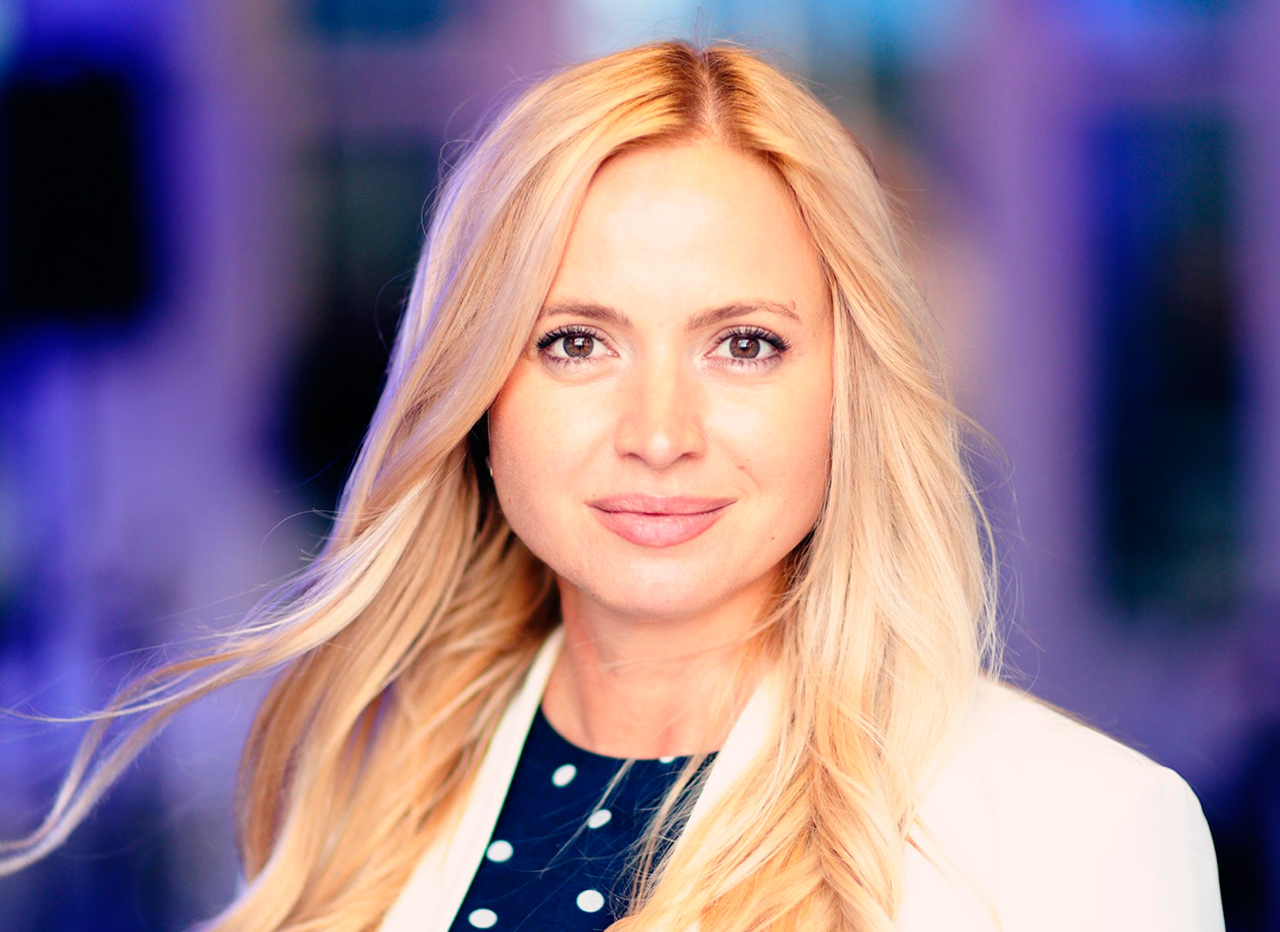
Irina Zhuikova, Director of Social Policy at Nornickel
“In Arctic cities, industrial development and quality of life go hand in hand. People choose not just a job, but a place to call home—a city where their families can put down roots and their children can go to school, with access to healthcare, leisure, and opportunities to thrive. Investing in a community is therefore both an investment in people and a direct contribution to the resilience of the company’s workforce and operations.”
The scale of this connection is clear from the numbers. Norilsk is home to more than 150,000 people, including 52,900 Nornickel employees. In Monchegorsk, a city of around 40,000, one in four residents works for the company. And when their families are included, it is clear that virtually everyone in the city is connected to the enterprise in some way. Whether one spouse works at the plant and the other in the public sector or a small business, their priorities are much the same: good schools, modern clinics, safe courtyards, and plenty to do in their free time.
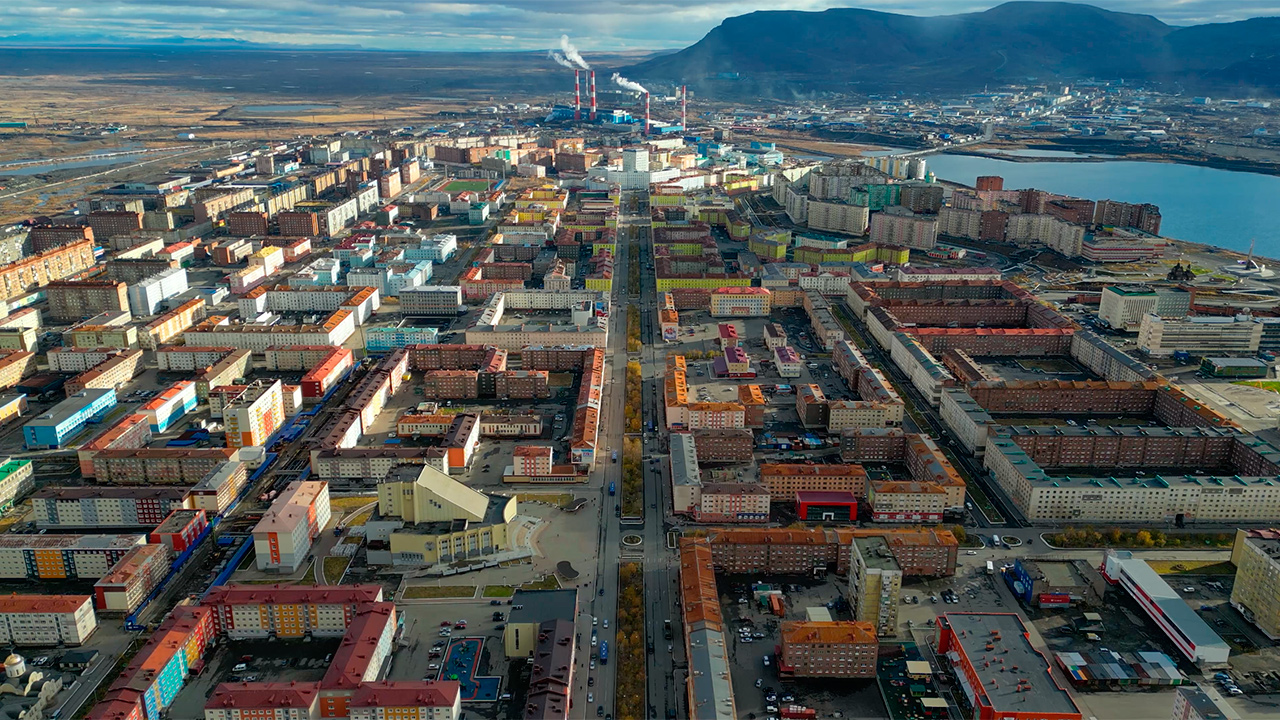
This connection is especially strong in geographically isolated communities. Norilsk is, in effect, an island: the only places reachable by road are Talnakh, 30 km away, and Dudinka, about a 90-minute drive. Everywhere else can be reached only by air or water. In such circumstances, a good salary alone is not enough to persuade people to stay. That is why Nornickel supports services that once seemed out of reach in the Far North. With the company’s backing, private medical centers—including aesthetic medicine clinics—are opening in Norilsk. Until recently, people seeking this kind of care had to travel to mainland Russia, paying for costly flights and accommodation. Now, complex procedures are available locally. The Zdorovaya Semya (“Healthy Family”) center is already operating in Zapolyarny, while state-of-the-art medical laboratories are opening in Norilsk under franchise agreements.
The company has always fulfilled—and continues to fulfill—its core responsibilities: paying taxes, creating jobs, raising wages in line with inflation, and safeguarding the environment. But it takes on a more active role when business becomes a catalyst for change.
The company has always fulfilled—and continues to fulfill—its core responsibilities: paying taxes, creating jobs, raising wages in line with inflation, and safeguarding the environment. But it takes on a more active role when business becomes a catalyst for change.
Bridging the gap between ideas and action: the role of development institutions
To turn individual initiatives into lasting, coordinated change, Nornickel established a network of dedicated development institutions: the Norilsk Development Agency, set up in 2016 in partnership with the Potanin Foundation; the Monchegorsk Development Agency; and the Second School Social Projects Center in the Pechenga District, which works with local administrations.
These institutions are not outside consultants. They are local teams that have received extensive training, including from experts at Skolkovo and the Russian Presidential Academy of National Economy and Public Administration (RANEPA), who travel to the communities themselves. Their primary role is to bring residents, local government, and business together.
Residents may recognize a problem but not know how to turn it into a project. Local administrations, meanwhile, may lack the resources to develop dozens of initiatives in detail. The development agencies fill this gap, serving as project offices: they help turn ideas into proposals, prepare terms of reference for design and cost-estimate documentation, and—crucially—secure federal funding.
For example, the Second School Center helped the Pechenga District administration prepare design documentation for the reconstruction of the district’s water supply system. This work helped the municipality secure more than 360 million rubles in federal funding for the project.
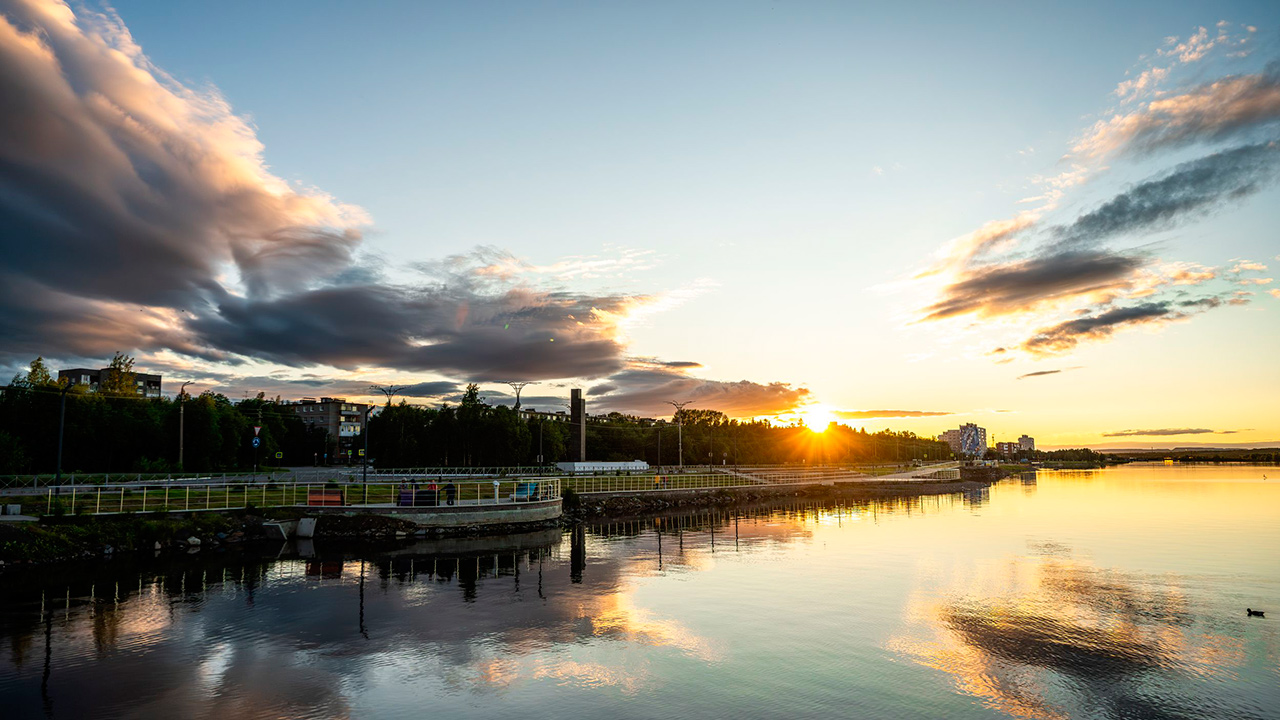
A striking example of this collaboration is the competition organized by Russia’s Ministry of Construction. Norilsk secured targeted funding to improve the area around City Lake, while Monchegorsk has been steadily developing its waterfront and park. In projects like these, the company acts as a partner, bringing together funding from business, the regional government, and the federal government. The result is a new generation of high-quality public spaces.
Norilsk: renewal and a new vision
One of the clearest examples of responding to residents’ needs is the creation of the Bashnya (“Tower”) Public and Cultural Center. The historic 2,178-square-metre building, dating from 1951, has been carefully revitalized. Today, it is a seven-storey multifunctional space featuring a winter garden and a showroom for local brands on the ground floor; a 115-square-metre coworking space for nonprofits and entrepreneurs; a two-level conference hall with a video wall; and a 70-square-metre observation deck on the seventh floor. Another highlight is the 16-square-metre “Architect’s Office,” designed in a 1950s style and dedicated to the building’s history and the people who built it.
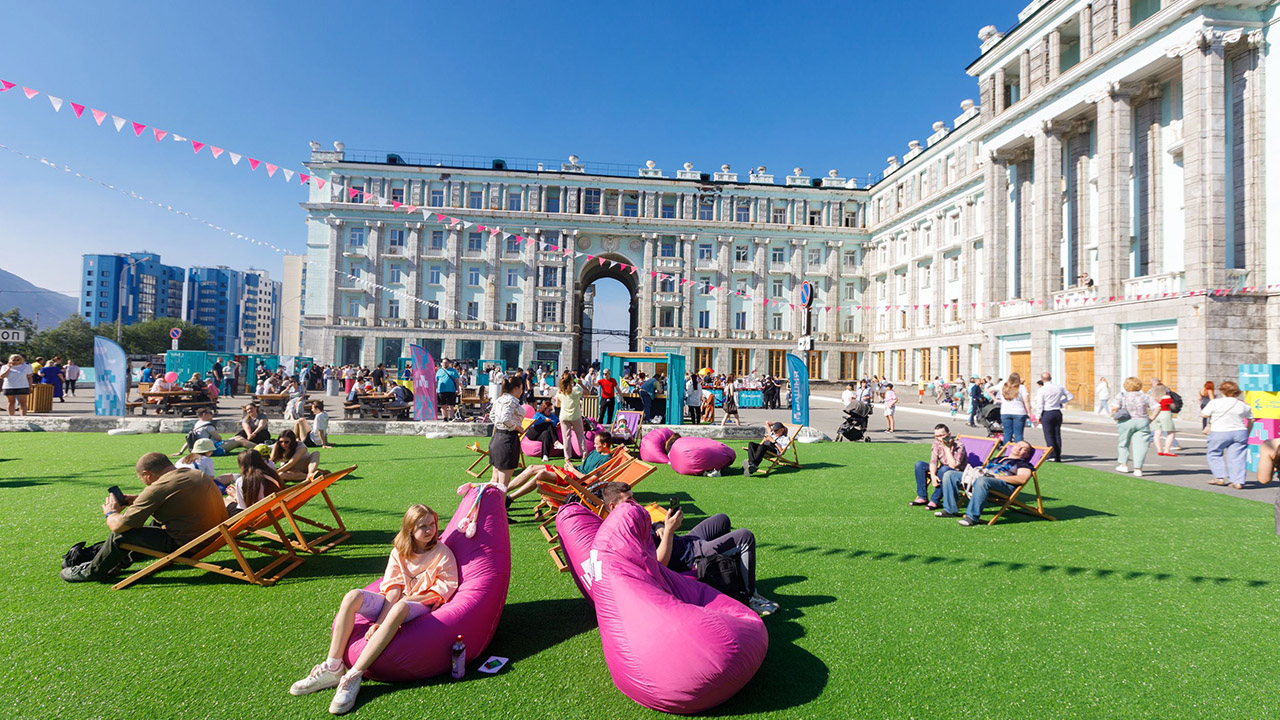
In 2025, the center welcomed 15,000 visitors. In 2026, attendance more than quadrupled, surpassing 60,000. The goal for 2027 is to increase that figure by a further 50%.
The Norilsk Development Agency also plans to open a Gastrohub featuring training kitchens for culinary students, as well as a tourism training facility with climbing walls at the teacher-training college.
The housing challenge is being addressed on an equally ambitious scale. Under the Comprehensive Norilsk Development Plan through 2035, which has a total budget of 120.1 billion rubles—including 81.3 billion from the company—construction is progressing at a pace not seen in the city for decades. By September 2026, 244 families had received the keys to new apartments.
In the new buildings, 65% of the apartments are spacious one-bedroom units of 34–42 sq. m, complete with built-in storage; 20% are two-bedroom units of 54–62 sq. m; and 15% are three-bedroom units of 61–75 sq. m. Apartments are allocated to in-demand specialists, as well as low-income households, people with disabilities, and residents of unsafe housing. Since 2021, ten apartment buildings with a combined floor area of nearly 60,000 sq. m have been demolished. A modern outpatient clinic with capacity for 1,000 visits per shift is also under construction in the Talnakh district, at a cost of 2.6 billion rubles.
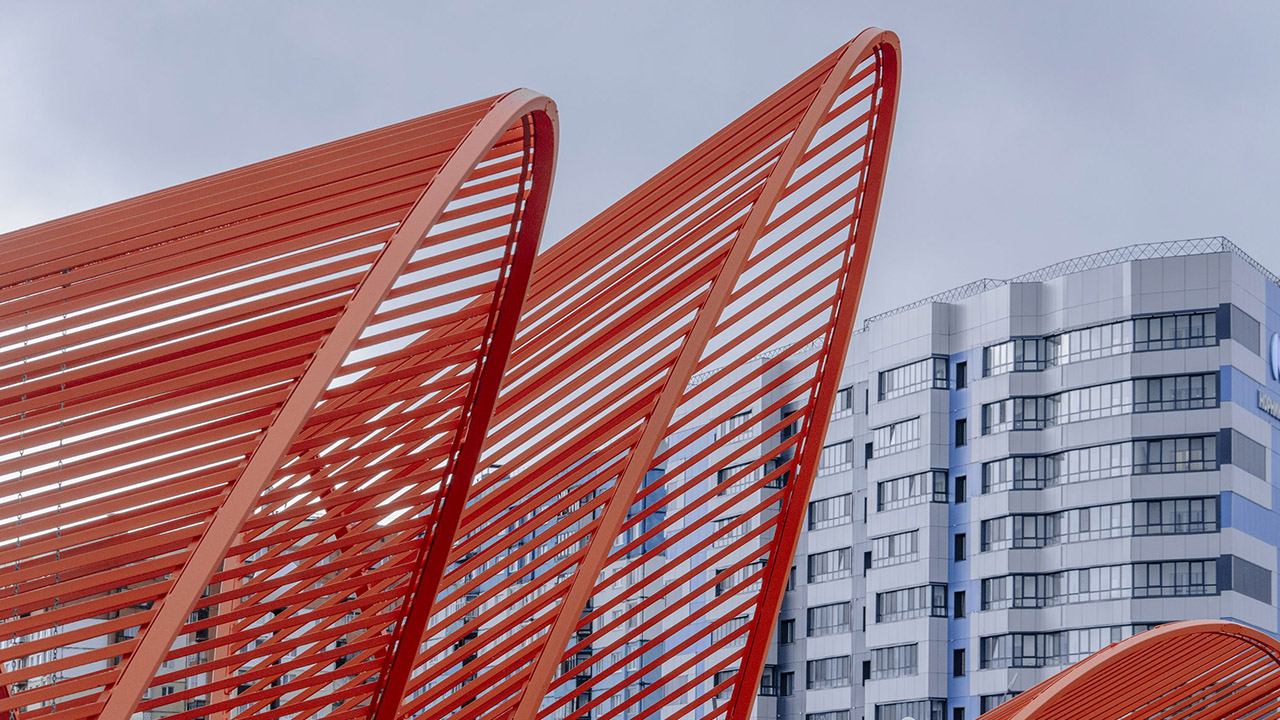
This work is moving ahead despite the fact that the average cost of building one square metre in Norilsk is nearly three times the national benchmark. All construction materials must be shipped from mainland Russia, while the harsh climate and permafrost call for costly engineering solutions. New buildings are constructed on piles fitted with active cooling systems to keep the ground frozen.
Improving transport access is another priority, including the provision of heated bus shelters. Norilsk has renewed its bus fleet, and the city is now served by “Severobuses.” Passengers can check precise arrival times in an app and wait for their bus in a heated shelter instead of standing out in the cold.
Improving transport access is another priority, including the provision of heated bus shelters. Norilsk has renewed its bus fleet, and the city is now served by “Severobuses.” Passengers can check precise arrival times in an app and wait for their bus in a heated shelter instead of standing out in the cold.
Monchegorsk: event-driven economy and tourism
In Monchegorsk, the focus is on the creative industries. In just five years, the Imandra Northern Culture Festival has grown from a local event attended by 500 people into one of the Arctic’s largest ticketed festivals, attracting up to 25,000 visitors. Recent editions have drawn more than 20,000 people.
The festival’s economic impact is clear. Hotels are fully booked, local artisans sell souvenirs and run paid workshops, and restaurants and food stalls are packed. Organizers recall that in the festival’s first year, one local entrepreneur sold out of his entire stock of shashlik in just an hour and a half. He immediately urged other business owners to get involved, telling them, “You can earn enough here to last three months.” Since then, Imandra has become an event that local businesses prepare for months in advance.
In Monchegorsk, the development institutions are helping shape the city’s identity. The city is officially positioning itself as the “City of Five Lakes,” and local business owners have been encouraged to reflect the theme in their storefronts and signage. The Arctic Creative Cluster is also up and running. With support from the Monchegorsk Development Agency and 85 million rubles in company co-funding, a major redevelopment of Brovtsev Park is under way, with total investment of 320 million rubles.
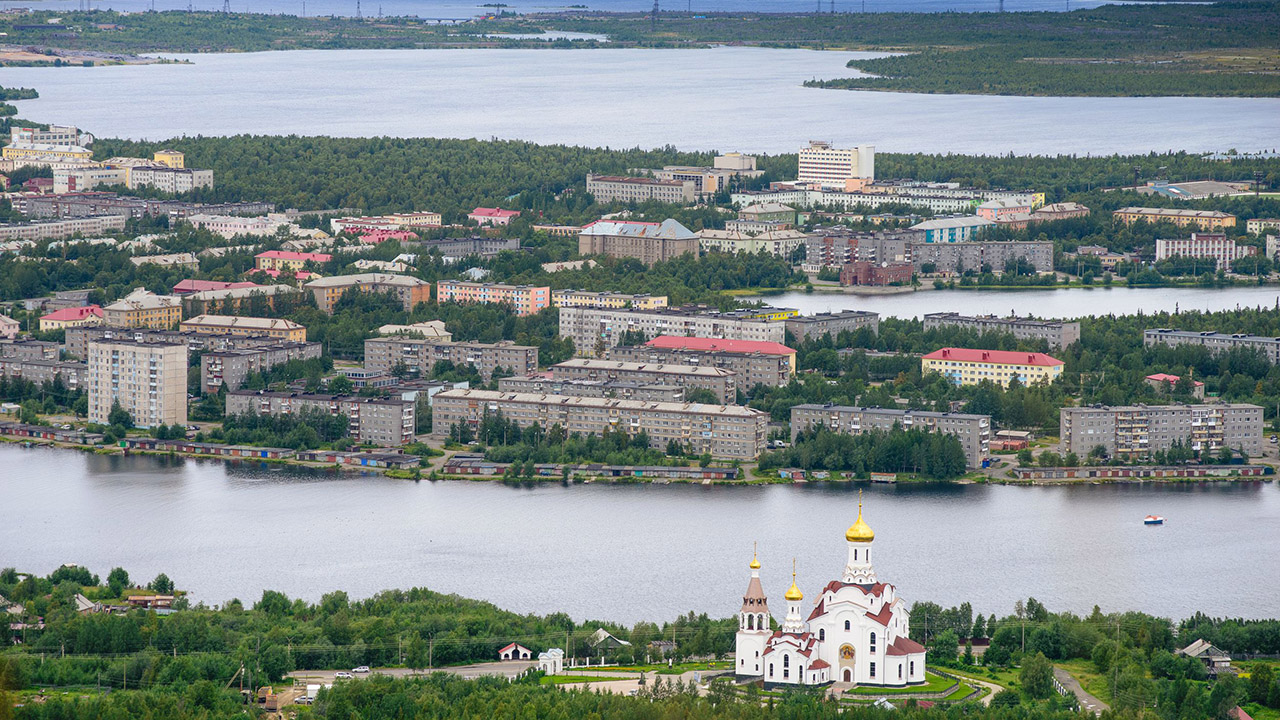
Monchegorsk is currently the most active startup hub in the Murmansk Region, with young locals accounting for 70% of applications to the Governor’s Start programme. One in four residents is involved in projects to improve the urban environment and increase green spaces.
Zapolyarny and Nickel: smart solutions for small communities
In the Pechenga District, the development institutions have proved highly adaptable. When the old smelter in Nickel, built before the Second World War, closed in 2020, the focus shifted to tourism to help ensure the settlement’s continued development. The area’s rich history of cross-border ties with Finland and Norway provided a foundation for the effort.
One result was the Gastro Industry Fest, developed by a local grassroots team. The first festival attracted more than 2,500 visitors in 2021; it has since grown into a major regional event, drawing more than 20,000 visitors.
Another inspiring story from Nickel is the Woman of the North club. The idea came to local resident Anastasia Ryzhkova after she completed a course at the Second School. The first forum was held in 2022, and the initiative has since grown into a community of 900 women. At the latest forum, participants organized a charity fundraiser on their own, raising 30,000 rubles—a sum matched by Nornickel.
In Zapolyarny, rather than write off a dormitory building left unfinished in the 1990s, the decision was made to assess it and complete construction. The result is a modern five-storey residential building with 45 apartments for company employees and other eligible residents. The project had a budget of 207.1 million rubles.
The Tourism in Schools project is also thriving. Over the past year, its excursion programme reached 478 children, with 13 walking tours across 11 routes. More than 30 experts took part, and participants covered over 1,000 km of tourist trails. Forty-one students joined major expeditions to Liinahamari and Rayakoski. Around 60% of participants are children of company employees. One notable, if less visible, benefit is the project’s role in helping prevent burnout among the teachers who lead the expeditions. But this is more than a leisure initiative: it offers valuable career guidance and helps children build an emotional connection to their community, laying the groundwork for them to return after completing their education.
Measuring progress: data and meaning
Nornickel has moved beyond relying on subjective impressions that “things have improved” and now tracks progress against established indicators. These include the Russian Ministry of Construction’s Urban Environment Quality Index, VEB.RF’s Quality of Life Index, and the ESG Alliance Index.
According to VEB.RF, Norilsk continued to improve in 2025. The city has long performed strongly in the “Income and Employment” category, supported by wage indexation and near-zero unemployment. Over the past year, it also made notable gains in “Satisfaction” (+12.9 points), “Leisure” (+10.4 points), “Urban Amenities” (+7.3 points), and “Mobility” (+6.0 points). The Ministry of Construction reports that since Norilsk’s renewal program began, the city’s Urban Environment Quality Index score has risen from 194 to 243—putting it ahead of many larger cities, including Murmansk and Arkhangelsk. Over the past three years, Monchegorsk’s Urban Environment Quality Index has improved by 22 points, while Zapolyarny achieved a score of 222 out of a possible 360 in 2024.
According to VEB.RF, Norilsk continued to improve in 2025. The city has long performed strongly in the “Income and Employment” category, supported by wage indexation and near-zero unemployment. Over the past year, it also made notable gains in “Satisfaction” (+12.9 points), “Leisure” (+10.4 points), “Urban Amenities” (+7.3 points), and “Mobility” (+6.0 points). The Ministry of Construction reports that since Norilsk’s renewal program began, the city’s Urban Environment Quality Index score has risen from 194 to 243—putting it ahead of many larger cities, including Murmansk and Arkhangelsk. Over the past three years, Monchegorsk’s Urban Environment Quality Index has improved by 22 points, while Zapolyarny achieved a score of 222 out of a possible 360 in 2024.
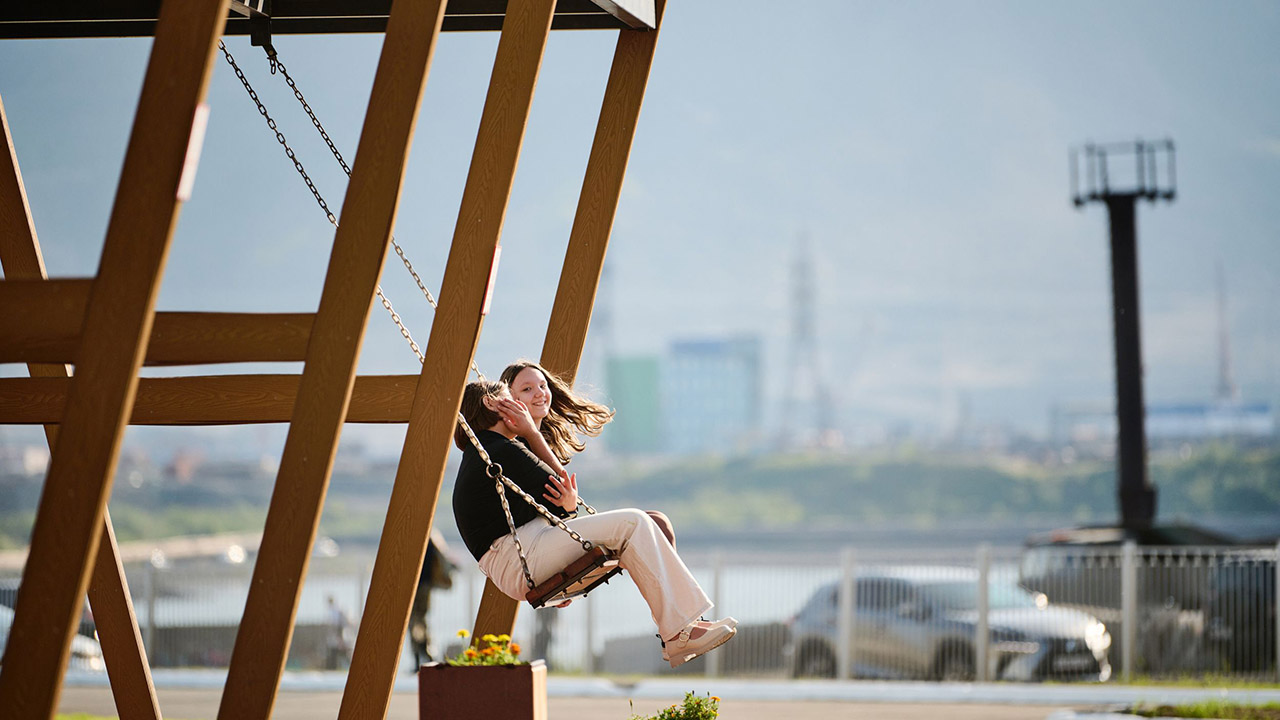
But the most valuable insights come from qualitative research. The Social Portrait of a City Resident project combines several research methods, including AI-powered psycholinguistic analysis, to capture residents’ actual views and needs—not just their responses to survey questions. The findings helped shape the Residents Change the City competition, launched in 2024. Norilsk residents can put forward ideas to improve their courtyards, receive expert guidance, and present their projects. Residents of the building at 8 Komsomolskaya Street proposed a climbing wall, park swings, and illuminated information structures. Artists from Taknado Bureau painted the parking structure’s façades with scenes inspired by the Seasons calendar, published by the media company Severny Gorod. In Kayerkan, residents turned a vacant lot into an orderly parking area; at 16 Moskovskaya Street, pedestrian passageways were transformed into a children’s roller-skating area. Initiatives like these do more than improve the appearance of neighborhoods: they encourage residents to take responsibility for the places where they live.
The 2035 horizon: Why businesses need urban master plans
Nornickel’s social programs are built for the long term, not as a series of one-off initiatives. The company applies a three-horizon planning model, extending from annual operational priorities to master plans that will shape the development of its communities through 2035. Norilsk and Monchegorsk have already been designated Arctic support cities, formalizing the long-term commitments of both the government and business.
The priorities for the coming decade are clear:
- Building human capital through education. The Norilsk Industrial Institute has been upgraded to Arctic State University. With support from Tomsk State University, Pechenga Polytechnic College has been transformed under the federal Professionalitet program. Nornickel’s recruitment team works with more than 30 higher education and vocational institutions across Russia. Students can take paid summer placements from their second or third year, and around 60% of graduates go on to work at the company’s operations.
- Diversifying the economy and supporting small businesses so that the city does not depend on a single employer.
- Developing year-round tourism and creative industries.
- Creating a comfortable, safe urban environment, including improving municipal solid waste management and upgrading utilities.
Irina Zhuikova:
“It’s important to look beyond the number of facilities built or events held. The real measures of success are whether people want to stay in their city, whether local businesses and investment are growing, and whether tourism is generating more revenue. If, five or ten years from now, a young person from Zapolyarny or Norilsk can say, ‘I can bring my idea to life here, start a business, give my children a good education, and live in a city I’m proud of,’ then we’ll know we’ve done our job“.
That is the essence of Nornickel’s modern approach: investing consistently in infrastructure, the environment, and people to improve life today—and to lay the surest foundation for the business’s long-term sustainability.