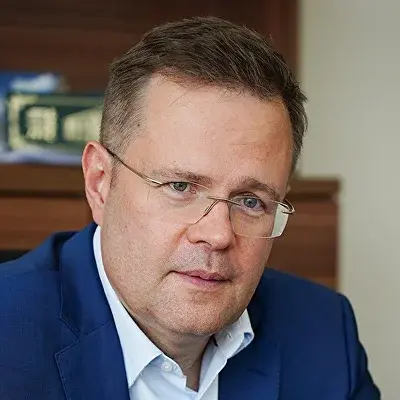
How can one distinguish a company’s genuine contribution to environmental and social development from appealing words on paper? Nornickel began reporting on its intangible capital at a time when concepts of this kind were still largely unfamiliar in Russian business practice. In an interview, the company’s Corporate Secretary, Pavel Platov, explained how to read a non-financial report, whether its figures can always be trusted, and why this information matters to everyone—from shareholders to contractors. Meanwhile, blue-chip companies are waiting on the sidelines as the Central Bank prepares approximately 30 criteria covering environmental protection, social policy, and corporate governance. Reporting against these criteria is gradually shifting from a voluntary practice to a mandatory standard.
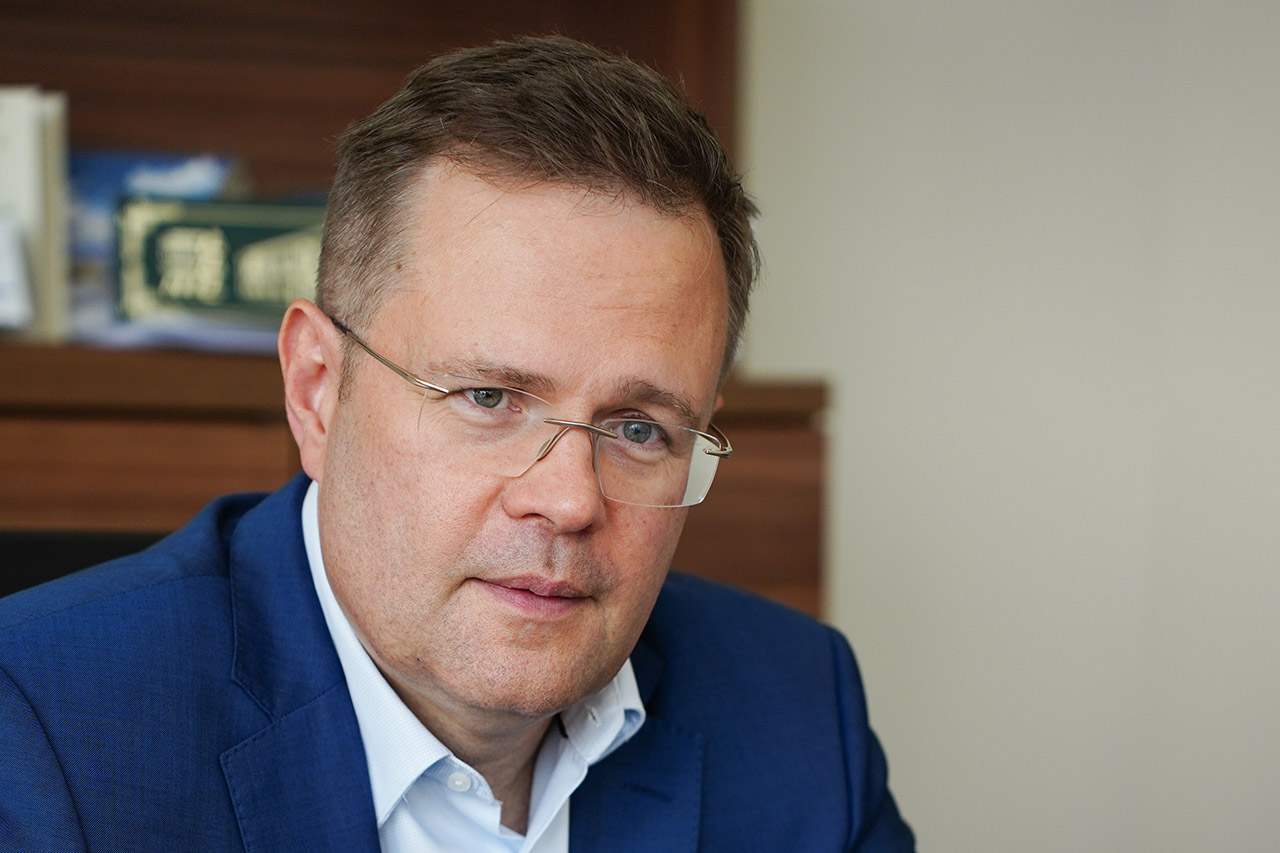
− Non-financial reporting, sustainability reporting, and corporate social responsibility reporting—there are many terms for what is essentially the same type of disclosure. Today, such reporting has become a reality for large businesses, and these reports are publicly available to everyone. How can they benefit shareholders, investors, Board members, employees, and job candidates?
— Non-financial reporting is a broad body of information designed to meet the needs of a wide range of audiences. It brings together unique data on a company’s environmental impact, working conditions, and corporate governance. Nornickel has been publishing a sustainability report for 22 years. Over this period, the report has evolved into a genuine management tool—one that helps us verify and monitor the implementation of the company’s strategy. The Board of Directors assesses every project through the lens of sustainable development.
Shareholders use non-financial reporting to gain insight into the company’s long-term resilience and business prospects. The level of interest shown at the most recent Annual General Meeting was telling: many shareholders requested printed copies of the report, took the substantial volumes of materials, and left with them.
Specific figures are also important to shareholders. Approximately RUB 377 billion—nearly one-third of the company’s annual revenue—was allocated to sustainable development objectives. Nornickel’s environmental protection expenditure amounted to RUB 89 billion in 2025, while renewable energy accounted for 56% of the company’s total energy consumption.
— How important is it for current employees and job candidates to familiarize themselves with the company’s sustainability strategy?
— Employees play an active role in preparing the non-financial report, as the information is collected from the bottom up. For our colleagues, the report confirms that their safety and well-being are genuine priorities, reflected in the company’s key performance indicators. Particular attention is paid to such criteria as the complete elimination of fatal accidents among employees of the Group’s enterprises and the prevention of incidents with catastrophic consequences. In fact, our approach goes further: we monitor safety not only across the Group but also among our contractors. These issues are reviewed both by the company’s internal committees and by Board committees, which keep these objectives firmly on their agenda.
Non-financial reporting is also a valuable resource for job candidates. Certainly, Nornickel is a widely recognized brand. At the same time, reviewing the sustainability report gives candidates a clearer and more comprehensive understanding of the company—including its salary levels, the scope and structure of its benefits package, and the genuine values it upholds as an employer. For those interested in long-term professional development, the company’s climate-related initiatives, including its efforts to reduce its carbon footprint, may be particularly important. The “People” section outlines measures to support employees and their families, which can also be a significant factor when choosing an employer.
Overall, this level of transparency helps build a relationship of trust with a prospective employee from the very first interaction. It shows candidates that the company is prepared to speak openly about its practices.
— Nornickel had begun publishing non-financial reports before this practice became mainstream—and even before the UN Sustainable Development Goals were formulated. When did it become clear that potential partners were paying attention to sustainability indicators and taking them into account when selecting contractors?
— Nornickel is a transnational company whose products are sold both in Russia and internationally. Initially, it was Western customers, investors, and financial institutions that required non-financial reporting. The concept of intangible capital emerged in Europe 20 years ago, at a time when Russia had neither stock-exchange requirements nor dedicated committees focused on these matters. Nevertheless, this type of reporting was important to Nornickel as a way of demonstrating its customer focus.
From the outset, we sought to disclose all key aspects as fully as possible: our contribution to environmental protection in the regions where we operate, our social policies, and our work with the Indigenous peoples of the North. Nornickel made this a deliberate choice, demonstrating that it was not merely a mining company but also a socially responsible one.
Today, our Asian partners also regard a sustainability strategy as essential. Russian companies, too, have begun paying closer attention to these issues.
There is one important point to keep in mind: readers need to know how to interpret non-financial reports correctly. Nornickel’s reports are not collections of slogans—we publish a substantial amount of factual information, including figures, details of specific initiatives, and progress updates on corporate projects. In this context, general statements are not sufficient. Readers should compare data over time and focus on specific metrics rather than vague wording.
For example, they can track the injury frequency rate, the reduction in emissions compared with the baseline year, the share of recirculated water, the urban environment quality index, and other indicators. This approach also makes it possible to benchmark a company against its industry peers and assess its genuine progress.
— Non-financial reporting is a broad body of information designed to meet the needs of a wide range of audiences. It brings together unique data on a company’s environmental impact, working conditions, and corporate governance. Nornickel has been publishing a sustainability report for 22 years. Over this period, the report has evolved into a genuine management tool—one that helps us verify and monitor the implementation of the company’s strategy. The Board of Directors assesses every project through the lens of sustainable development.
Shareholders use non-financial reporting to gain insight into the company’s long-term resilience and business prospects. The level of interest shown at the most recent Annual General Meeting was telling: many shareholders requested printed copies of the report, took the substantial volumes of materials, and left with them.
Specific figures are also important to shareholders. Approximately RUB 377 billion—nearly one-third of the company’s annual revenue—was allocated to sustainable development objectives. Nornickel’s environmental protection expenditure amounted to RUB 89 billion in 2025, while renewable energy accounted for 56% of the company’s total energy consumption.
— How important is it for current employees and job candidates to familiarize themselves with the company’s sustainability strategy?
— Employees play an active role in preparing the non-financial report, as the information is collected from the bottom up. For our colleagues, the report confirms that their safety and well-being are genuine priorities, reflected in the company’s key performance indicators. Particular attention is paid to such criteria as the complete elimination of fatal accidents among employees of the Group’s enterprises and the prevention of incidents with catastrophic consequences. In fact, our approach goes further: we monitor safety not only across the Group but also among our contractors. These issues are reviewed both by the company’s internal committees and by Board committees, which keep these objectives firmly on their agenda.
Non-financial reporting is also a valuable resource for job candidates. Certainly, Nornickel is a widely recognized brand. At the same time, reviewing the sustainability report gives candidates a clearer and more comprehensive understanding of the company—including its salary levels, the scope and structure of its benefits package, and the genuine values it upholds as an employer. For those interested in long-term professional development, the company’s climate-related initiatives, including its efforts to reduce its carbon footprint, may be particularly important. The “People” section outlines measures to support employees and their families, which can also be a significant factor when choosing an employer.
Overall, this level of transparency helps build a relationship of trust with a prospective employee from the very first interaction. It shows candidates that the company is prepared to speak openly about its practices.
— Nornickel had begun publishing non-financial reports before this practice became mainstream—and even before the UN Sustainable Development Goals were formulated. When did it become clear that potential partners were paying attention to sustainability indicators and taking them into account when selecting contractors?
— Nornickel is a transnational company whose products are sold both in Russia and internationally. Initially, it was Western customers, investors, and financial institutions that required non-financial reporting. The concept of intangible capital emerged in Europe 20 years ago, at a time when Russia had neither stock-exchange requirements nor dedicated committees focused on these matters. Nevertheless, this type of reporting was important to Nornickel as a way of demonstrating its customer focus.
From the outset, we sought to disclose all key aspects as fully as possible: our contribution to environmental protection in the regions where we operate, our social policies, and our work with the Indigenous peoples of the North. Nornickel made this a deliberate choice, demonstrating that it was not merely a mining company but also a socially responsible one.
Today, our Asian partners also regard a sustainability strategy as essential. Russian companies, too, have begun paying closer attention to these issues.
There is one important point to keep in mind: readers need to know how to interpret non-financial reports correctly. Nornickel’s reports are not collections of slogans—we publish a substantial amount of factual information, including figures, details of specific initiatives, and progress updates on corporate projects. In this context, general statements are not sufficient. Readers should compare data over time and focus on specific metrics rather than vague wording.
For example, they can track the injury frequency rate, the reduction in emissions compared with the baseline year, the share of recirculated water, the urban environment quality index, and other indicators. This approach also makes it possible to benchmark a company against its industry peers and assess its genuine progress.
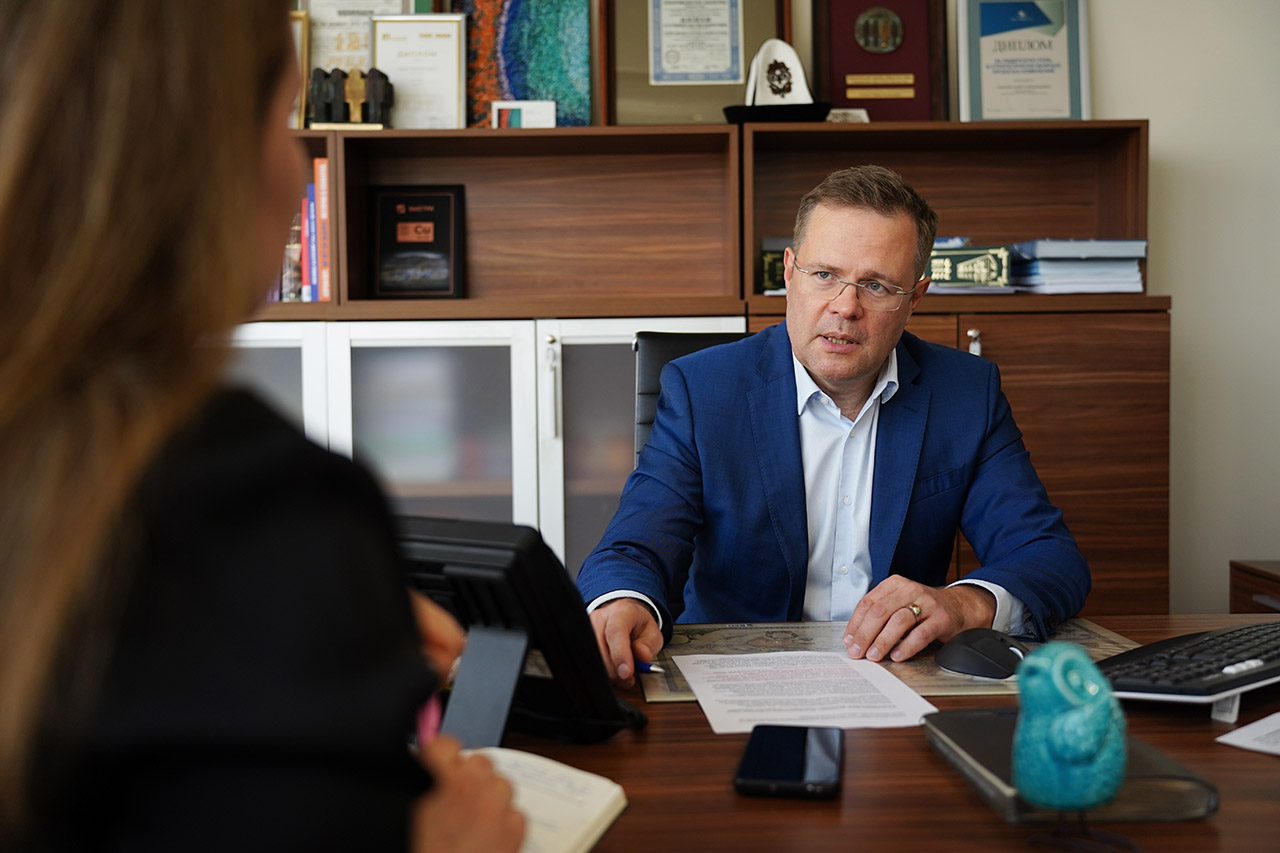
— How can readers determine from a non-financial report whether the data it contains are accurate? What other indicators point to the quality of the report?
— The report should undergo an objective assessment—in other words, its information should be verified by independent external experts. In Nornickel’s case, this role is performed by the Russian Union of Industrialists and Entrepreneurs (RSPP). This year, the company received the national Responsible Business Leaders Award at the RSPP Congress.
The greenhouse-gas emissions data in our 2025 non-financial report were verified by TÜV AUSTRIA, an Austrian organization. The report was also reviewed by the relevant committee of the company’s Board of Directors, independently verified by our auditor, KEPT, and publicly endorsed by the RSPP. Together, these steps demonstrate the highest level of transparency.
It is also a positive sign when a company’s contribution to creating a comfortable and safe living environment is reflected in independent quality-of-life indices. The scores for the cities where Nornickel operates have increased year after year. Between 2023 and 2024, Norilsk’s score rose by 18 points, while Zapolyarny’s increased by 22. These are official figures from the Russian Ministry of Construction. The company’s investments contributed to improvements across several areas, including housing, roads, and urban landscaping.
Over the past six years, we have conducted the large-scale Social Portrait of a City Resident survey twice, together with the Norilsk Development Agency. Our aim was to determine whether residents had noticed these changes and how their perceptions of quality of life in their cities were evolving. The results showed that residents’ assessments of their overall well-being had improved. This provides another important perspective: the perspective of the people who live in these cities.
When reading a report, it is also important to examine how performance indicators are linked to management compensation. If a company has KPIs related to safety, occupational health, or environmental performance—and these KPIs influence senior executives’ bonuses—this indicates that management takes these issues seriously. It also confirms that sustainable development is not an abstract aspiration but an integral part of the corporate governance system.
When reviewing non-financial reporting, it is important not to overlook a company’s internal policies, codes, and strategies. These documents may be lengthy, but they are worth reading. They provide a roadmap for how the company intends to manage risks and create value for all its stakeholders.
For example, Nornickel’s Environmental and Climate Change Strategy includes more than 270 initiatives supported by a budget of approximately RUB 247 billion. It is a long-term plan spanning several decades. The strategy is updated annually, and the company reports on its implementation to the Board of Directors.
Internal policies and corporate programs show how a company’s commitments are translated into day-to-day operations. This year, for instance, Nornickel published a Regional Atlas—an overview of specific investments in the regions where we operate: Krasnoyarsk Krai, Murmansk Region, and Zabaykalsky Krai.
Open the atlas and select, for example, the city of Monchegorsk. You will see that Nornickel built an ice arena there in 2025. Select Dudinka, and you will find that the company purchased 21 apartments for orphaned children from Indigenous communities of the North. By moving the cursor across the map, you can explore the company’s activities in all the regions where it operates.
— A large company has an extensive network of suppliers and contractors. Does it need to monitor them as well? Could a single partner undermine an otherwise strong sustainability record?
— Absolutely. Failing to consider how business partners manage their environmental, social, and governance risks can result in financial and reputational losses, as well as operational disruptions. If a supplier violates the law and receives a substantial fine, or if its production is suspended, this will directly affect our supply chain. And such incidents inevitably become public.
Industrial safety and occupational health provide a clear example. Mining is inherently hazardous, and eliminating the possibility of workplace fatalities is an absolute priority for the company. That is why we work continuously with contractors, using audits and questionnaires, while our contracts set out strict industrial safety requirements.
Every accident is immediately included in the company’s statistics. If a tragedy occurs at a contractor’s site, an urgent incident report is prepared, detailing what happened, where it occurred, and who was involved. The incident is then reported to the Board of Directors. Once the investigation has been completed, a follow-up report outlines the measures taken, explains the causes of the accident, and sets out how similar incidents will be prevented in the future.
— This is a double-edged issue. On the one hand, Nornickel is committed to working with local contractors and providing smaller companies in the regions where it operates with opportunities to win contracts. But are these companies capable of meeting the required standards?
— For example, we are helping to develop the local market in the Norilsk Industrial District. Naturally, not all contractors operating there work on a federal scale. Nornickel provides them with mandatory training, including conferences and mentoring programs. As a result, we have seen year-on-year improvements in contractor performance.
Companies in the regions are keen to work with Nornickel. At the same time, they must meet our contractor requirements, which are clearly set out in our internal policies. We also publish a separate Responsible Supply Chain Report. It is structured around two areas: mineral raw materials; and goods, works, and services. The report discloses the results of supplier assessments conducted in accordance with international standards and based on our internal questionnaires.
— The report should undergo an objective assessment—in other words, its information should be verified by independent external experts. In Nornickel’s case, this role is performed by the Russian Union of Industrialists and Entrepreneurs (RSPP). This year, the company received the national Responsible Business Leaders Award at the RSPP Congress.
The greenhouse-gas emissions data in our 2025 non-financial report were verified by TÜV AUSTRIA, an Austrian organization. The report was also reviewed by the relevant committee of the company’s Board of Directors, independently verified by our auditor, KEPT, and publicly endorsed by the RSPP. Together, these steps demonstrate the highest level of transparency.
It is also a positive sign when a company’s contribution to creating a comfortable and safe living environment is reflected in independent quality-of-life indices. The scores for the cities where Nornickel operates have increased year after year. Between 2023 and 2024, Norilsk’s score rose by 18 points, while Zapolyarny’s increased by 22. These are official figures from the Russian Ministry of Construction. The company’s investments contributed to improvements across several areas, including housing, roads, and urban landscaping.
Over the past six years, we have conducted the large-scale Social Portrait of a City Resident survey twice, together with the Norilsk Development Agency. Our aim was to determine whether residents had noticed these changes and how their perceptions of quality of life in their cities were evolving. The results showed that residents’ assessments of their overall well-being had improved. This provides another important perspective: the perspective of the people who live in these cities.
When reading a report, it is also important to examine how performance indicators are linked to management compensation. If a company has KPIs related to safety, occupational health, or environmental performance—and these KPIs influence senior executives’ bonuses—this indicates that management takes these issues seriously. It also confirms that sustainable development is not an abstract aspiration but an integral part of the corporate governance system.
When reviewing non-financial reporting, it is important not to overlook a company’s internal policies, codes, and strategies. These documents may be lengthy, but they are worth reading. They provide a roadmap for how the company intends to manage risks and create value for all its stakeholders.
For example, Nornickel’s Environmental and Climate Change Strategy includes more than 270 initiatives supported by a budget of approximately RUB 247 billion. It is a long-term plan spanning several decades. The strategy is updated annually, and the company reports on its implementation to the Board of Directors.
Internal policies and corporate programs show how a company’s commitments are translated into day-to-day operations. This year, for instance, Nornickel published a Regional Atlas—an overview of specific investments in the regions where we operate: Krasnoyarsk Krai, Murmansk Region, and Zabaykalsky Krai.
Open the atlas and select, for example, the city of Monchegorsk. You will see that Nornickel built an ice arena there in 2025. Select Dudinka, and you will find that the company purchased 21 apartments for orphaned children from Indigenous communities of the North. By moving the cursor across the map, you can explore the company’s activities in all the regions where it operates.
— A large company has an extensive network of suppliers and contractors. Does it need to monitor them as well? Could a single partner undermine an otherwise strong sustainability record?
— Absolutely. Failing to consider how business partners manage their environmental, social, and governance risks can result in financial and reputational losses, as well as operational disruptions. If a supplier violates the law and receives a substantial fine, or if its production is suspended, this will directly affect our supply chain. And such incidents inevitably become public.
Industrial safety and occupational health provide a clear example. Mining is inherently hazardous, and eliminating the possibility of workplace fatalities is an absolute priority for the company. That is why we work continuously with contractors, using audits and questionnaires, while our contracts set out strict industrial safety requirements.
Every accident is immediately included in the company’s statistics. If a tragedy occurs at a contractor’s site, an urgent incident report is prepared, detailing what happened, where it occurred, and who was involved. The incident is then reported to the Board of Directors. Once the investigation has been completed, a follow-up report outlines the measures taken, explains the causes of the accident, and sets out how similar incidents will be prevented in the future.
— This is a double-edged issue. On the one hand, Nornickel is committed to working with local contractors and providing smaller companies in the regions where it operates with opportunities to win contracts. But are these companies capable of meeting the required standards?
— For example, we are helping to develop the local market in the Norilsk Industrial District. Naturally, not all contractors operating there work on a federal scale. Nornickel provides them with mandatory training, including conferences and mentoring programs. As a result, we have seen year-on-year improvements in contractor performance.
Companies in the regions are keen to work with Nornickel. At the same time, they must meet our contractor requirements, which are clearly set out in our internal policies. We also publish a separate Responsible Supply Chain Report. It is structured around two areas: mineral raw materials; and goods, works, and services. The report discloses the results of supplier assessments conducted in accordance with international standards and based on our internal questionnaires.
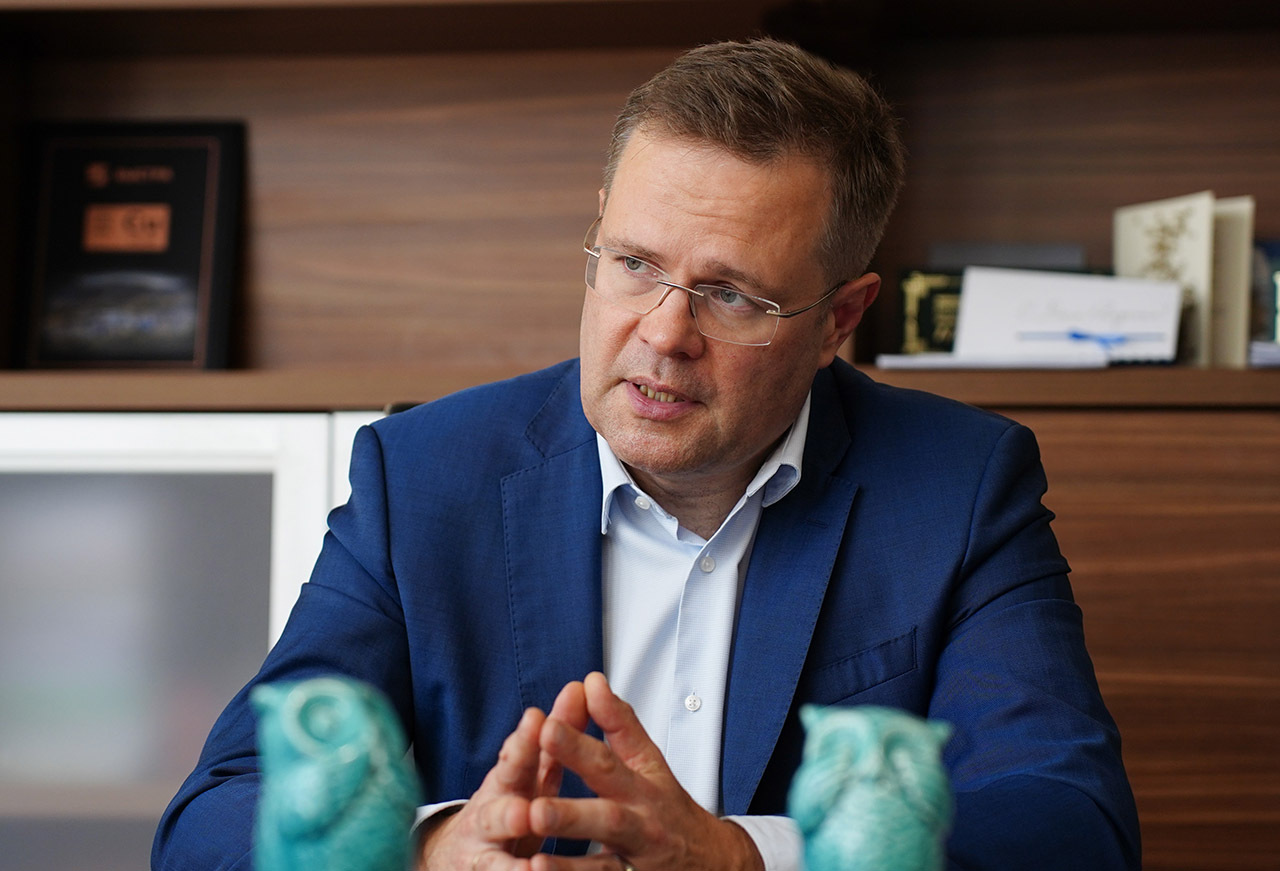
— Nornickel’s report clearly shows that its environmental, social, and responsible business strategies are aligned with the UN Sustainable Development Goals and Russia’s national projects. How does the company balance these different areas and set its priorities?
— It is important for us not to mechanically map our activities against Russia’s national development goals and all 17 UN Sustainable Development Goals. Instead, we identify the goals that are most relevant to the company—areas where our contribution is genuinely needed and can make a significant difference, while also being aligned with our strategy, risks, and opportunities.
At the same time, we regularly reassess our priorities, as the focus may change over time. For example, two years ago, information security emerged as a priority for Nornickel based on the results of questionnaires and stakeholder surveys. We had not anticipated this shift.
We also take into account the people who live in the cities where the company operates, as well as their concerns and needs. Residents care deeply about the quality of the environment, including clean air and clean water. These are also the focus of national projects with the same names.
Nornickel actively supports public initiatives such as the Clean Arctic project. For example, fuel barrels left behind during the early stages of regional development had remained in the area for decades without being removed or disposed of. The company has committed substantial resources and funding to cleaning up the Arctic zone.
Biodiversity and the protection of rare species are also high on the agenda. Do you remember the widespread attention in 2022 surrounding the injured polar bear discovered by residents of the settlement of Dikson in Krasnoyarsk Krai? We took part in the rescue operation and arranged for the bear to be transported to Moscow Zoo, sending a helicopter to collect it. There have been other cases in which we helped polar bears, as well as the rescue of Stanislav the whale.
At the same time, we aim to go beyond responding to animals in distress and take a systematic approach to species conservation. For example, we support research aimed at conserving the unique Kildin cod population in Lake Mogilnoye, a relict lake in the Murmansk Region, and are developing an innovative technology for restocking water bodies.
In 2026, we also launched a ten-year biodiversity conservation program encompassing biodiversity monitoring, support for protected areas, and volunteer-led scientific research.
Our contribution to the national Clean Air project is centered on the Sulfur Program. Under this initiative, we have undertaken the large-scale task of significantly reducing sulfur dioxide emissions at two sites—the Norilsk and Kola divisions. On the Kola Peninsula, the program has already cut SO₂ emissions by 90% compared with 2015 levels.
In Norilsk, however, it became necessary to build a new chemical-processing complex alongside the existing metallurgical facilities. In March this year, the Russian Ministry of Natural Resources confirmed that Norilsk had met the targets established under the federal project.
We are also proud to contribute to the national Infrastructure for Life project. We are investing more than RUB 80 billion in the renovation of Norilsk. Several apartment buildings and social facilities have already been completed, and construction is ongoing.
— Sustainability disclosure requirements are clearly becoming increasingly formalized. Is Russia developing a unified approach to this type of reporting? Who is responsible for setting the requirements, and when might they become mandatory for companies?
− Sustainability reporting is becoming increasingly detailed and specific. For the first time, we can assess and compare companies not only in financial terms, but also by their progress toward environmental, social, and governance objectives.
However, I would not say that a single standard is emerging. Rather, an entire reporting system is taking shape—one that combines international and Russian frameworks. In Russia, the Central Bank plays an important role. From April 2027, it plans to introduce mandatory non-financial reporting for companies in the first and second listing tiers, turning what was once a voluntary practice into a formal requirement.
Work is also under way in other areas. Since 2024, the Moscow Exchange has required companies to publish non-financial reports. The Government has approved the SOKB standard, which assesses businesses’ contribution to society. In addition, more than 50 laws on responsible business conduct have been adopted across Russia’s regions.
There are also a number of ratings, including the ECG rating—Environment, Companies, and Government—and the KPD rating, which measures corporate support for demographic development.
Certainly, it is important to strike the right balance. Indicators need to be clear and comparable, while companies must also be able to collect and prepare the required data in practice. Nornickel is contributing to these discussions and providing feedback to regulators. For us, this is not a challenge but a logical step toward greater transparency and higher-quality reporting.
— It is important for us not to mechanically map our activities against Russia’s national development goals and all 17 UN Sustainable Development Goals. Instead, we identify the goals that are most relevant to the company—areas where our contribution is genuinely needed and can make a significant difference, while also being aligned with our strategy, risks, and opportunities.
At the same time, we regularly reassess our priorities, as the focus may change over time. For example, two years ago, information security emerged as a priority for Nornickel based on the results of questionnaires and stakeholder surveys. We had not anticipated this shift.
We also take into account the people who live in the cities where the company operates, as well as their concerns and needs. Residents care deeply about the quality of the environment, including clean air and clean water. These are also the focus of national projects with the same names.
Nornickel actively supports public initiatives such as the Clean Arctic project. For example, fuel barrels left behind during the early stages of regional development had remained in the area for decades without being removed or disposed of. The company has committed substantial resources and funding to cleaning up the Arctic zone.
Biodiversity and the protection of rare species are also high on the agenda. Do you remember the widespread attention in 2022 surrounding the injured polar bear discovered by residents of the settlement of Dikson in Krasnoyarsk Krai? We took part in the rescue operation and arranged for the bear to be transported to Moscow Zoo, sending a helicopter to collect it. There have been other cases in which we helped polar bears, as well as the rescue of Stanislav the whale.
At the same time, we aim to go beyond responding to animals in distress and take a systematic approach to species conservation. For example, we support research aimed at conserving the unique Kildin cod population in Lake Mogilnoye, a relict lake in the Murmansk Region, and are developing an innovative technology for restocking water bodies.
In 2026, we also launched a ten-year biodiversity conservation program encompassing biodiversity monitoring, support for protected areas, and volunteer-led scientific research.
Our contribution to the national Clean Air project is centered on the Sulfur Program. Under this initiative, we have undertaken the large-scale task of significantly reducing sulfur dioxide emissions at two sites—the Norilsk and Kola divisions. On the Kola Peninsula, the program has already cut SO₂ emissions by 90% compared with 2015 levels.
In Norilsk, however, it became necessary to build a new chemical-processing complex alongside the existing metallurgical facilities. In March this year, the Russian Ministry of Natural Resources confirmed that Norilsk had met the targets established under the federal project.
We are also proud to contribute to the national Infrastructure for Life project. We are investing more than RUB 80 billion in the renovation of Norilsk. Several apartment buildings and social facilities have already been completed, and construction is ongoing.
— Sustainability disclosure requirements are clearly becoming increasingly formalized. Is Russia developing a unified approach to this type of reporting? Who is responsible for setting the requirements, and when might they become mandatory for companies?
− Sustainability reporting is becoming increasingly detailed and specific. For the first time, we can assess and compare companies not only in financial terms, but also by their progress toward environmental, social, and governance objectives.
However, I would not say that a single standard is emerging. Rather, an entire reporting system is taking shape—one that combines international and Russian frameworks. In Russia, the Central Bank plays an important role. From April 2027, it plans to introduce mandatory non-financial reporting for companies in the first and second listing tiers, turning what was once a voluntary practice into a formal requirement.
Work is also under way in other areas. Since 2024, the Moscow Exchange has required companies to publish non-financial reports. The Government has approved the SOKB standard, which assesses businesses’ contribution to society. In addition, more than 50 laws on responsible business conduct have been adopted across Russia’s regions.
There are also a number of ratings, including the ECG rating—Environment, Companies, and Government—and the KPD rating, which measures corporate support for demographic development.
Certainly, it is important to strike the right balance. Indicators need to be clear and comparable, while companies must also be able to collect and prepare the required data in practice. Nornickel is contributing to these discussions and providing feedback to regulators. For us, this is not a challenge but a logical step toward greater transparency and higher-quality reporting.