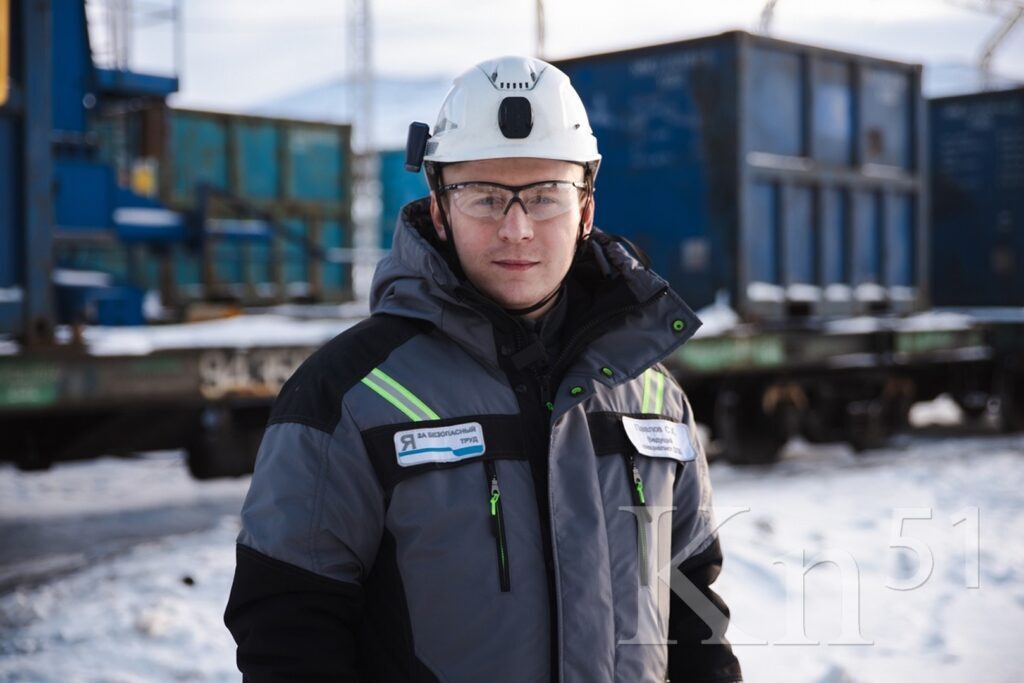
Industrial safety is no longer a rigid set of rules—it's a living system that adapts to shifting external conditions while rooted in a strict legislative foundation. Drawing on personal experience, scientific research, and ongoing professional development, Sergey Pavlov, Chief Specialist for Coordination of Industrial Safety at Kola Mining and Metallurgical Company (Kola MMC), is pioneering a flexible model for injury prevention and risk management. His core objective: empowering the team to predict and avert hazards before they arise.
Sergey Pavlov is 31 years old and has worked in occupational health and industrial safety for three years. After graduating high school in 2012, he enrolled at St. Petersburg Mining University and spent over five years working underground at a mining company in the city of Kirovsk. There, he faced real dangers and risks firsthand, sparking his passion for professional safety work. He then pursued a degree in "Technosphere Safety" at a polytechnic university. Sergey views his interview invitation from KGMK (Kola State Mining and Metallurgical Company) as a stroke of luck—and he aced it.
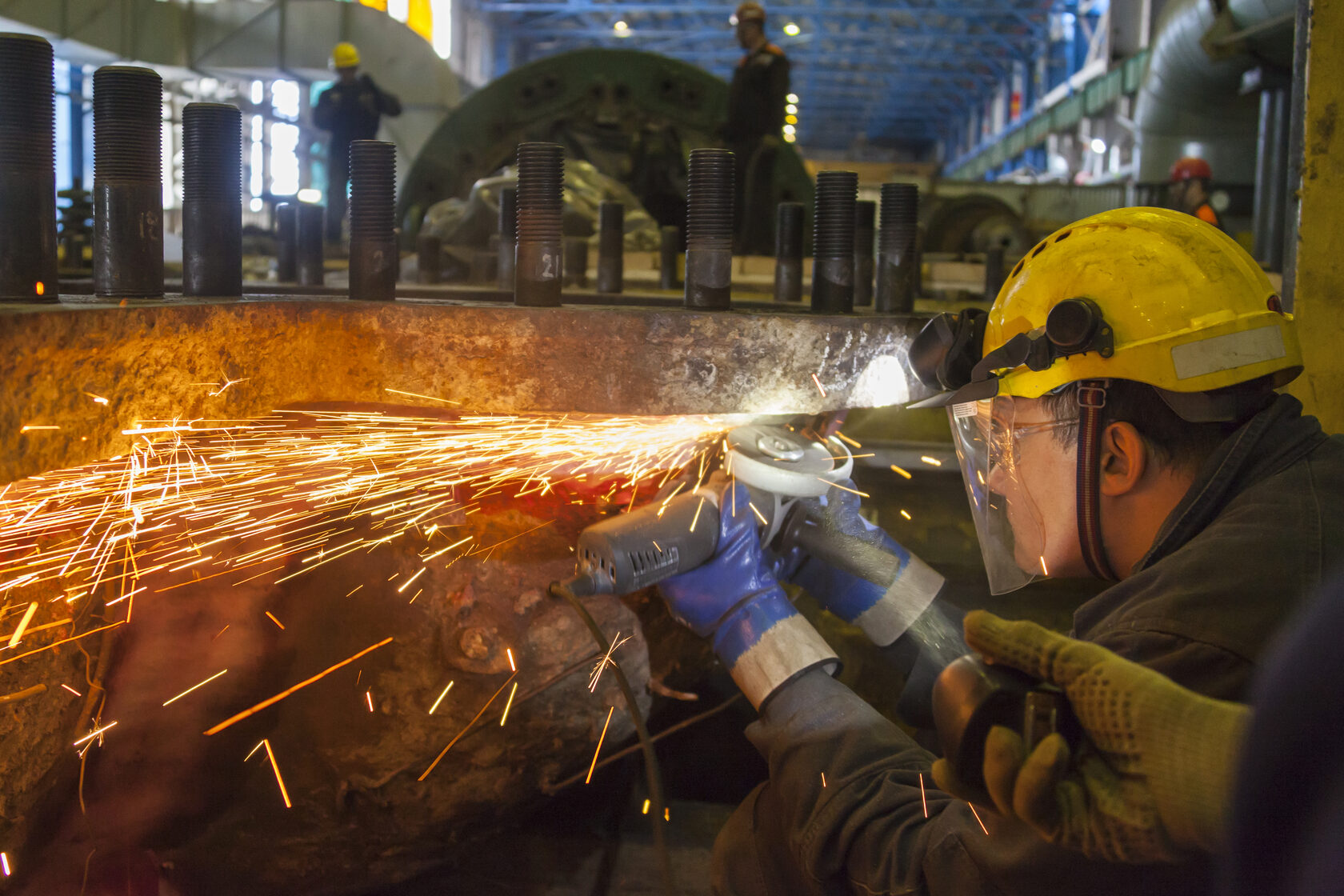
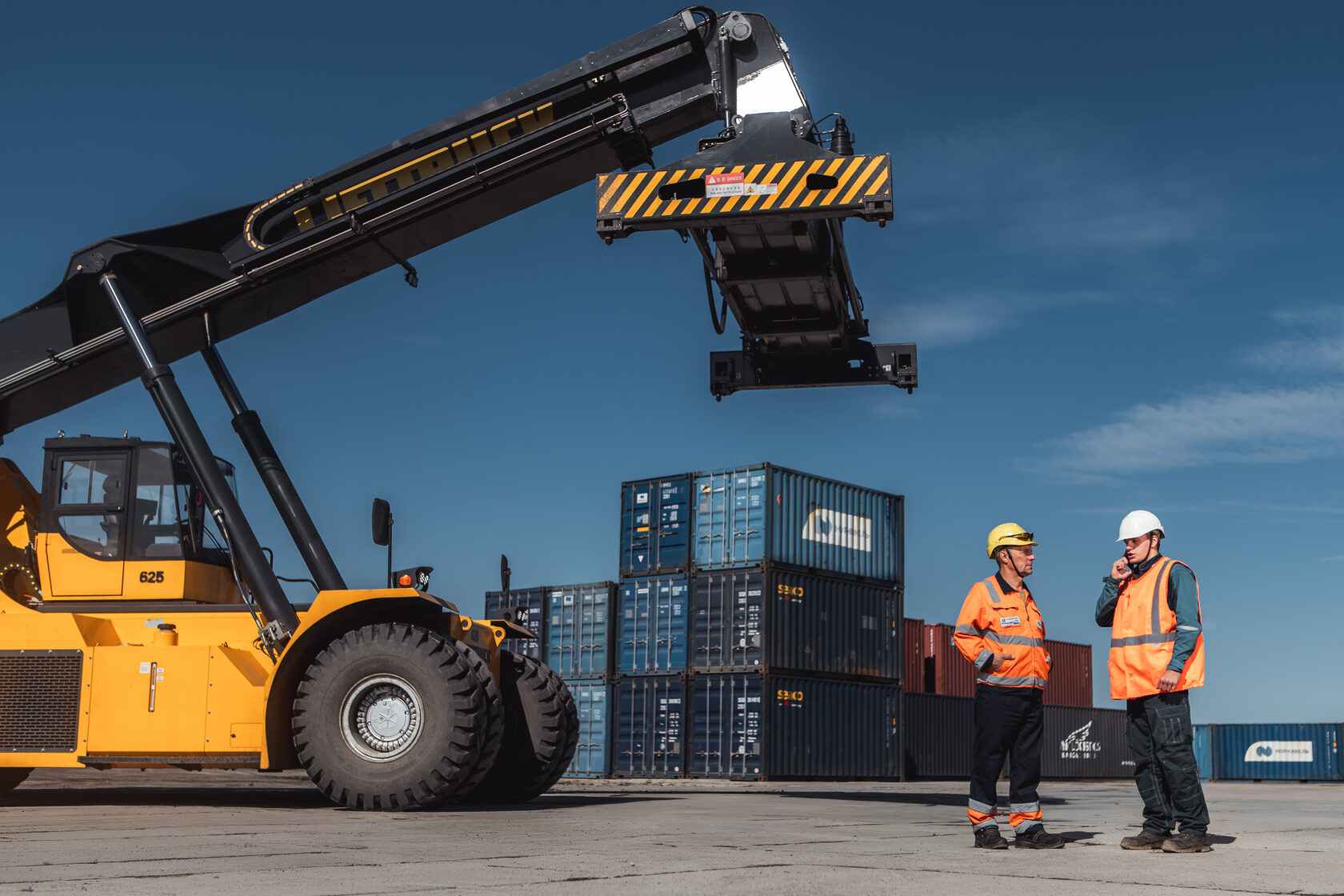
Workplace safety spans a wide array of elements. On a global scale, it falls under technosphere safety, encompassing industrial and fire safety, occupational health, and environmental protection. For the average worker, however, "safety precautions" hits closer to home—these are the practical rules they follow daily in their specific work areas.
At Kola MMC, Sergey Pavlov's management system zeroes in on coordinating industrial safety, delivering expert support to colleagues, and conducting hands-on preventive measures both on-site and across departments.
At Kola MMC, Sergey Pavlov's management system zeroes in on coordinating industrial safety, delivering expert support to colleagues, and conducting hands-on preventive measures both on-site and across departments.
SERGEY PAVLOV,
Chief Specialist for Coordination of Industrial Safety at Kola Mining and Metallurgical Company (Kola MMC):
"Industrial safety rules aren't set in stone—technologies, equipment, and external conditions evolve constantly. The strict legislative framework endures, but within our company, we adapt based on expertise. No one can memorize every rule; instead, you must navigate core requirements, often using information systems. For me, though, the real key is dialogue. My role centers on spotting risks and preventive action. I frequently talk with workshop workers, who often share insights far sharper than any manual. That's why we drive changes to safety regulations not just 'from above' after major incidents, but 'from below' too. Our specialists chat with teams on the floor, gathering feedback: Is the PPE comfortable? Are instructions clear? Does any step carry avoidable risk? Armed with this, we make targeted updates—turning rules from mere formalities into practical, effective tools."
A crucial psychological element comes into play here. From his mining days, Sergey vividly recalls the tension sparked by an inspector's arrival. That's why he fosters dialogue on equal terms. Fear silences people about real workplace hazards; trust, however, sparks collaboration. By ditching the outdated "supervisor-vs-violator" mindset, safety teams become mentors and partners. Ultimately, the industrial safety department—through every team member—is transforming its approach and public image.
On topic:
Kola MMC launches community of safety ambassadors
Nornickel: Occupational safety at the highest level
Kola MMC launches community of safety ambassadors
Nornickel: Occupational safety at the highest level
Sergey’s workday begins at 9 a.m., but calls for advice or expert support can arrive anytime. If a major repair is underway or a situation demands constant monitoring, the shift schedule adjusts to meet production needs. Last year, during the major overhaul in the refining shop’s roasting section, safety engineers stayed on standby, enabling round-the-clock involvement in the process.
Science has long been integral to Sergey Pavlov's work, serving as a key tool for enhancing safety system effectiveness. His research focuses on analyzing vulnerabilities and developing targeted solutions. He has two publications at the world level to his credit. One is dedicated to improving the efficiency of occupational safety management systems through an iterative approach*. The second concerns a data-driven approach* to security management
Occupational Safety Management through an Iterative Approach (Risk-Oriented Approach) is a management system that systematically identifies hazards, assesses risks, and implements measures to reduce them, with the possibility of continuous improvement. This approach involves transitioning from a reactive to a proactive (forward-looking) one, aimed at the timely identification of hazards that should not lead to accidents.
Data-Driven Approach (Data-Based Approach) is a decision-making methodology in which all strategic and tactical steps are based on the analysis and interpretation of data, rather than intuition or assumptions. The essence of the approach lies in the systematic collection, processing, and analysis of information to identify patterns, trends, and correlations that enable informed decisions.
This year, Sergey Pavlov successfully defended his master's thesis with honors in "Management of the Integrated Technosphere Safety System." Drawing from his experience at Kola MMC—where he observed the overwhelming paperwork burden on specialists—he aimed to leverage digital tools to streamline processes, freeing time for core tasks like prevention, risk identification, and root-cause analysis of violations. He plans to pursue postgraduate studies to advance his research.
Sergey Pavlov views participation in professional competitions as a vital avenue for growth. For two consecutive years, he was nominated for the title of Best Specialist in Occupational Health and Industrial Safety across the entire Nornickel Group. These events allow him to receive expert feedback on his competencies, benchmark his progress against industry best practices, and refine his development path. He is now preparing for the All-Russian Competition in the "Best Occupational Safety Specialist in the Russian Federation" category—a fresh challenge that motivates him to systematize his knowledge and experience.
Sergey Pavlov views participation in professional competitions as a vital avenue for growth. For two consecutive years, he was nominated for the title of Best Specialist in Occupational Health and Industrial Safety across the entire Nornickel Group. These events allow him to receive expert feedback on his competencies, benchmark his progress against industry best practices, and refine his development path. He is now preparing for the All-Russian Competition in the "Best Occupational Safety Specialist in the Russian Federation" category—a fresh challenge that motivates him to systematize his knowledge and experience.
Nornickel Photo Bank
Nornickel Photo Bank
Nornickel Photo Bank
For any industrial safety specialist, the worst nightmare is incidents and accidents. During Sergey Pavlov's tenure at Kola MMC, none occurred. His efforts focus squarely on preventing events with potentially irreversible consequences. Regulations demand rigorous investigations involving multidisciplinary experts in such cases. The Department for Personnel and Social Policy plays a pivotal role in threat prevention by selecting competent staff who provide specialized support.
Yet Sergey once faced a situation that, by his own account, profoundly shaped his career choice.
Yet Sergey once faced a situation that, by his own account, profoundly shaped his career choice.
SERGEY PAVLOV:
"After my army service, I worked as a timberman at the Severny mine. My colleague and I were securing a mine working when I heard a telltale cracking in the rock. Intuition and rulebook knowledge urged me to stop. My experienced partner initially disagreed, but I left the danger zone, returned, and insisted we halt. We evacuated—and minutes later, a massive rockfall buried the exact spot where we'd been standing. To me, this starkly shows how trusting your inner sense of danger, guided by the rules, saves lives."
When asked if he finds satisfaction in his work, Sergey quotes Confucius: “Choose a job you love, and you will never have to work a day in your life.” Even with his demanding schedule at times, he has a simple recipe for avoiding burnout: striking a healthy work-rest balance and taking time off when needed. His hobbies help him recharge—Sergey plays football, loves skiing, and is a fan of active outdoor recreation, often escaping the city for fresh air and adventure.
Sergey Pavlov measures his success by improvements in industrial safety culture and greater employee accountability for their own safety. In his view, significant progress has been made: the days of superficial compliance are gone. He credits this achievement to the collective efforts of staff and management alike.
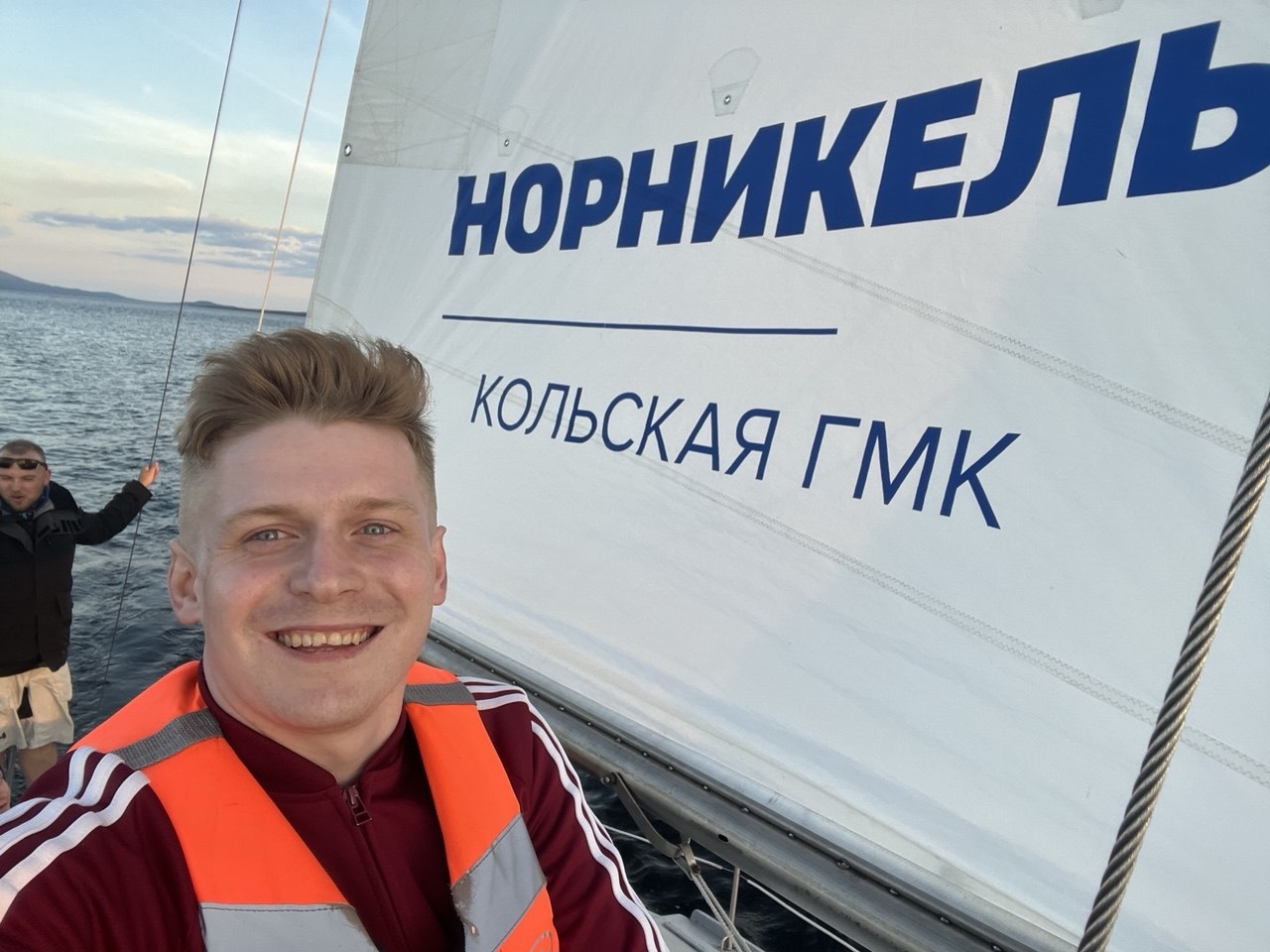
"I firmly believe industrial safety is integral to corporate culture—with ample room to grow. Our goal is to shift from enforcement to a mindset where safety is an intrinsic value for all: a personal commitment for every employee and the foundation of continuous improvement," reflects the interviewee.
Sergey is confident his profession has a bright future, increasingly incorporating digital tools, psychology, and more.
Sergey is confident his profession has a bright future, increasingly incorporating digital tools, psychology, and more.
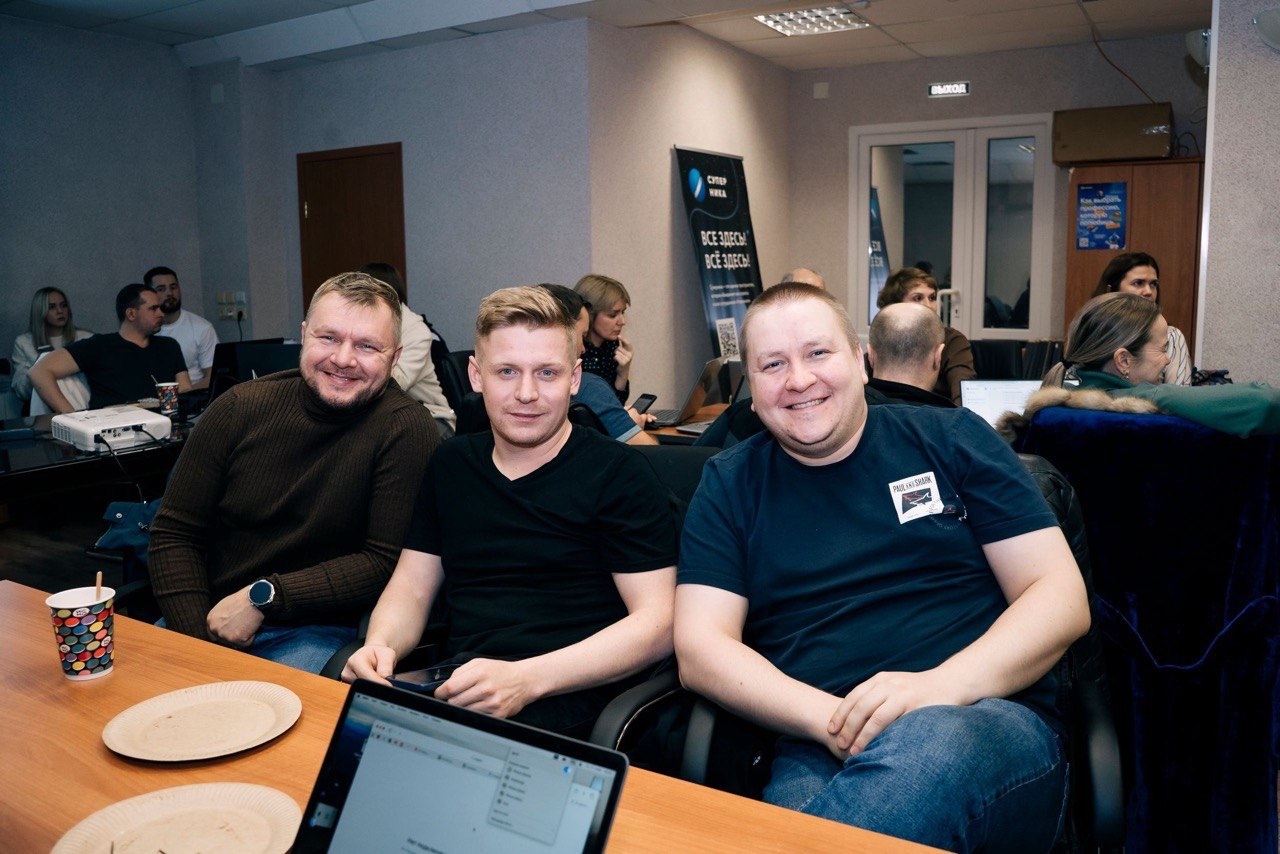
"The fusion of technology and human-centered approaches is elevating the safety engineer's role. No longer just a controller, they are evolving into data analysts and system integrators—enabling risk prediction. Understanding motivations requires psychology, and with heavy investments in tech, occupational health and safety management will transform.
Integrating new technologies and software will contribute to reducing injuries and enhancing the proactive approach in the work of specialists in my field. I hope to become a developer of such technologies or lead their implementation myself,” concluded the interviewee.
Take the test: On the specifics of industrial safety and occupational health at Nornickel enterprises
Integrating new technologies and software will contribute to reducing injuries and enhancing the proactive approach in the work of specialists in my field. I hope to become a developer of such technologies or lead their implementation myself,” concluded the interviewee.
Take the test: On the specifics of industrial safety and occupational health at Nornickel enterprises